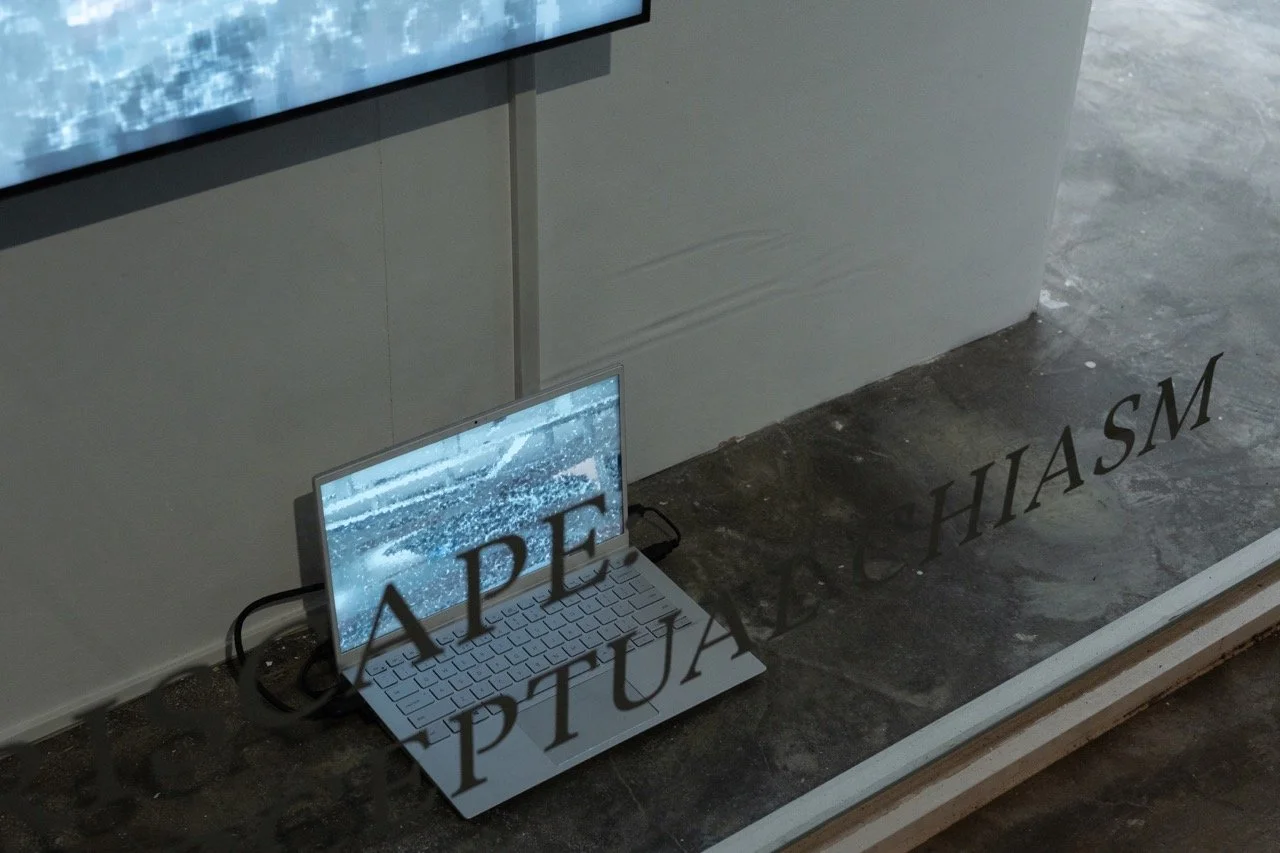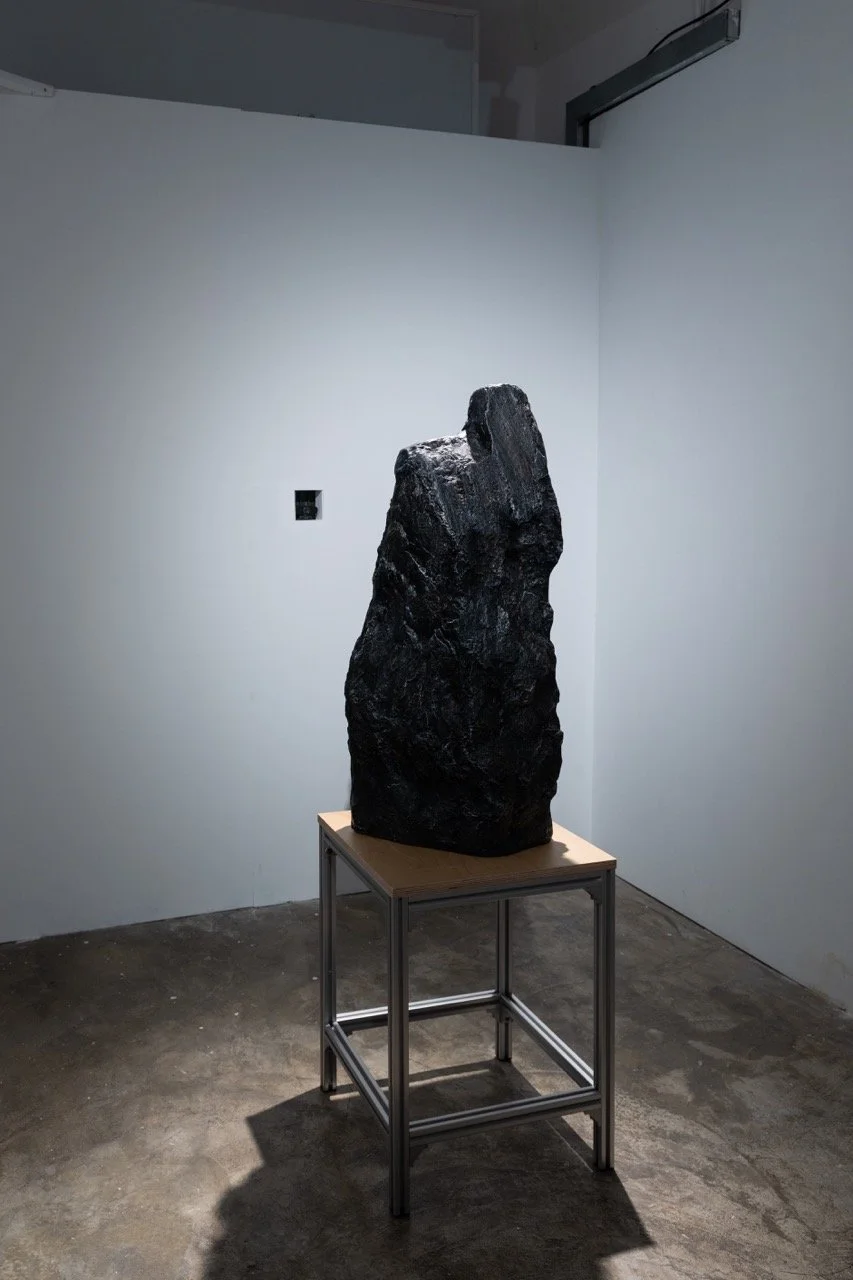


Algoriscape: Neo-Perceptual Chiasm
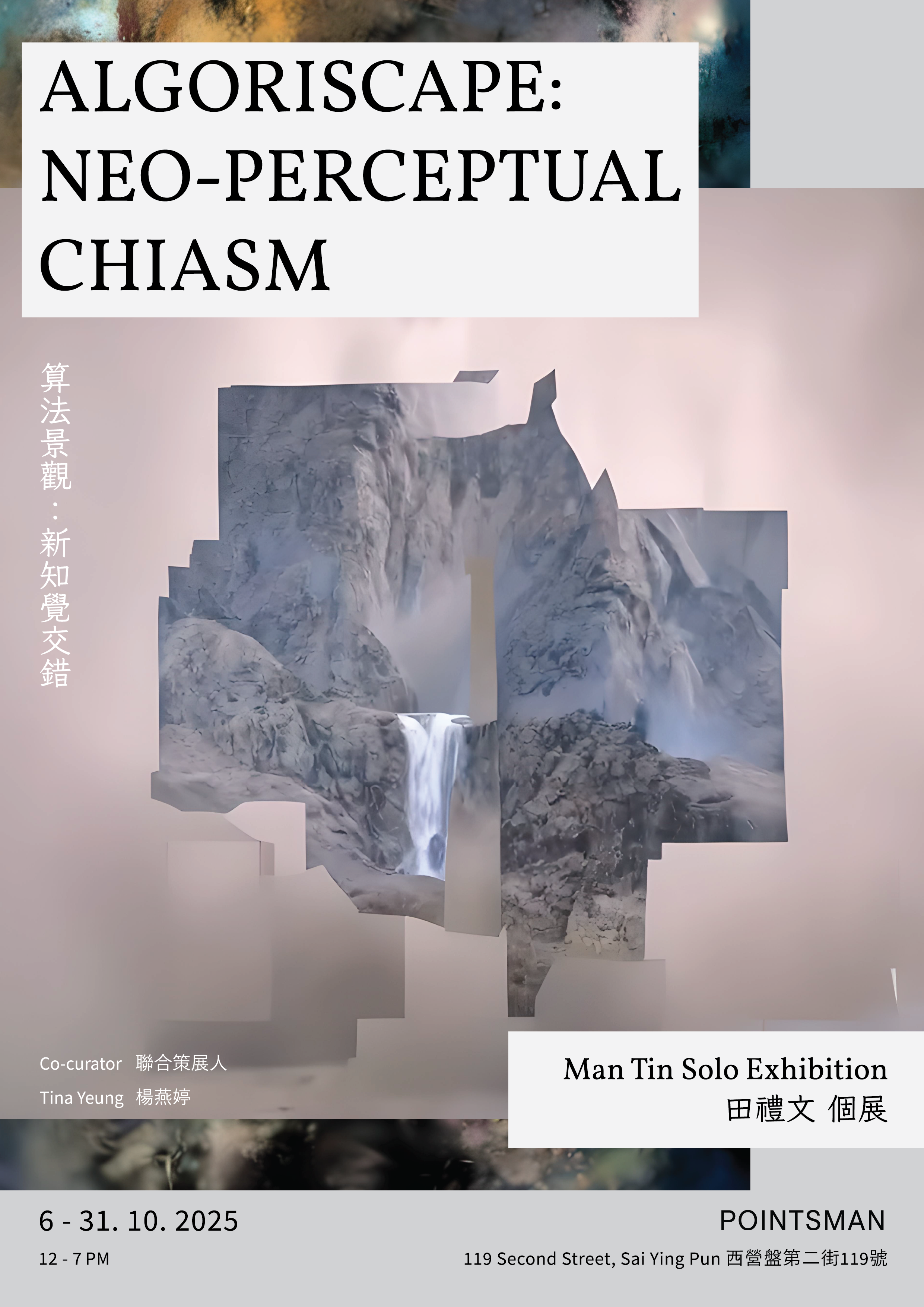
Man Tin Solo Exhibition
Co-curator: Tina Yeung
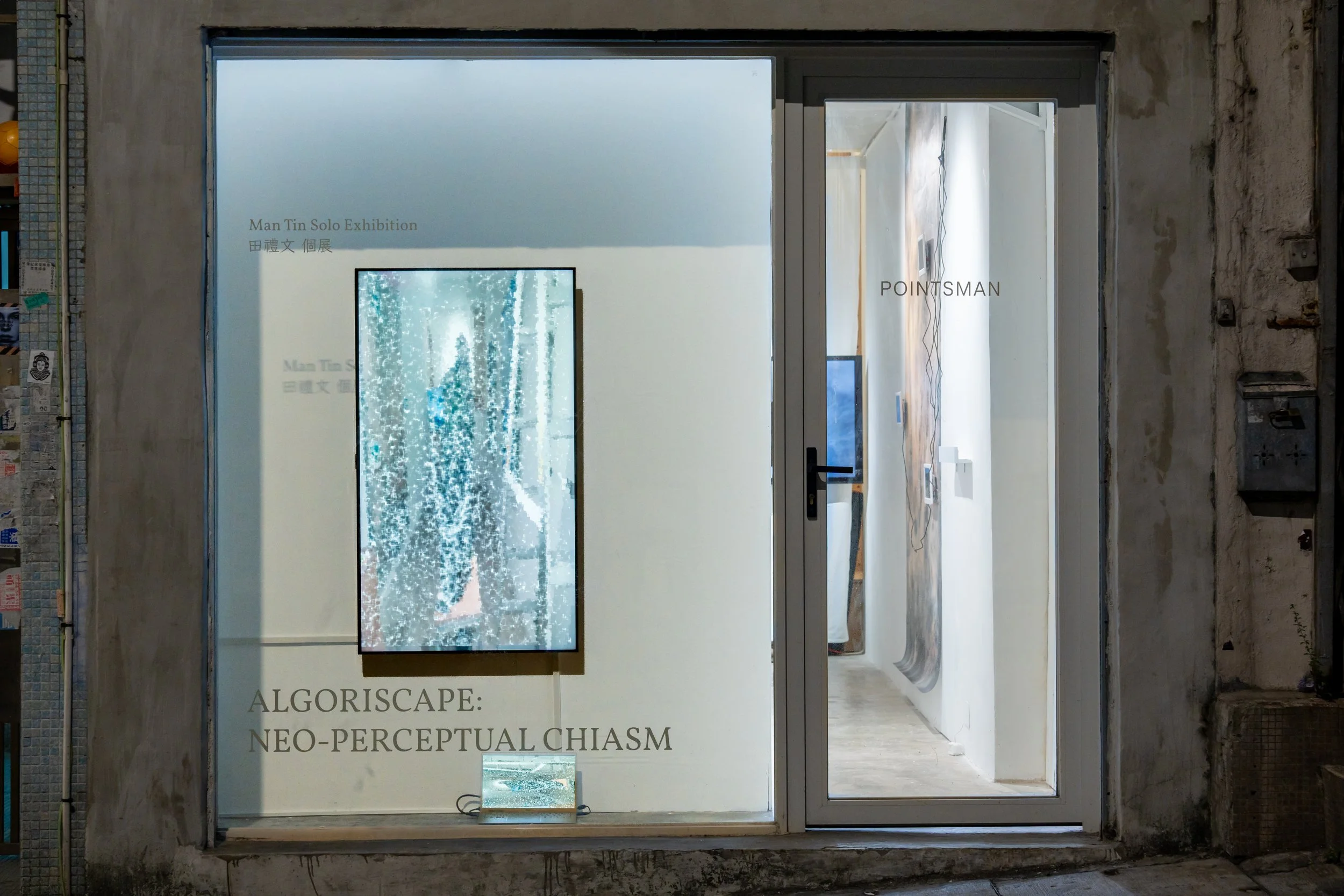
6 - 31 Oct 2025, POINTSMAN, Hong Kong
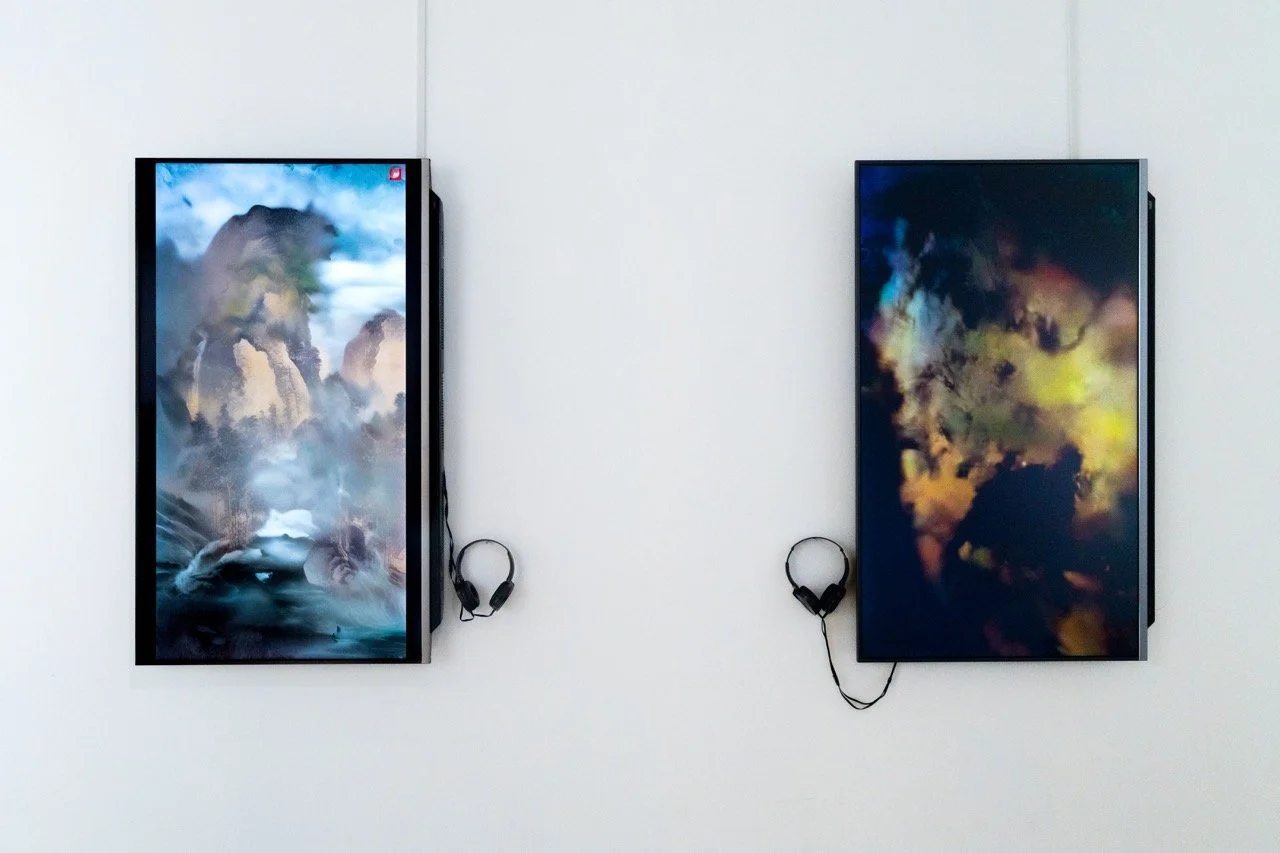
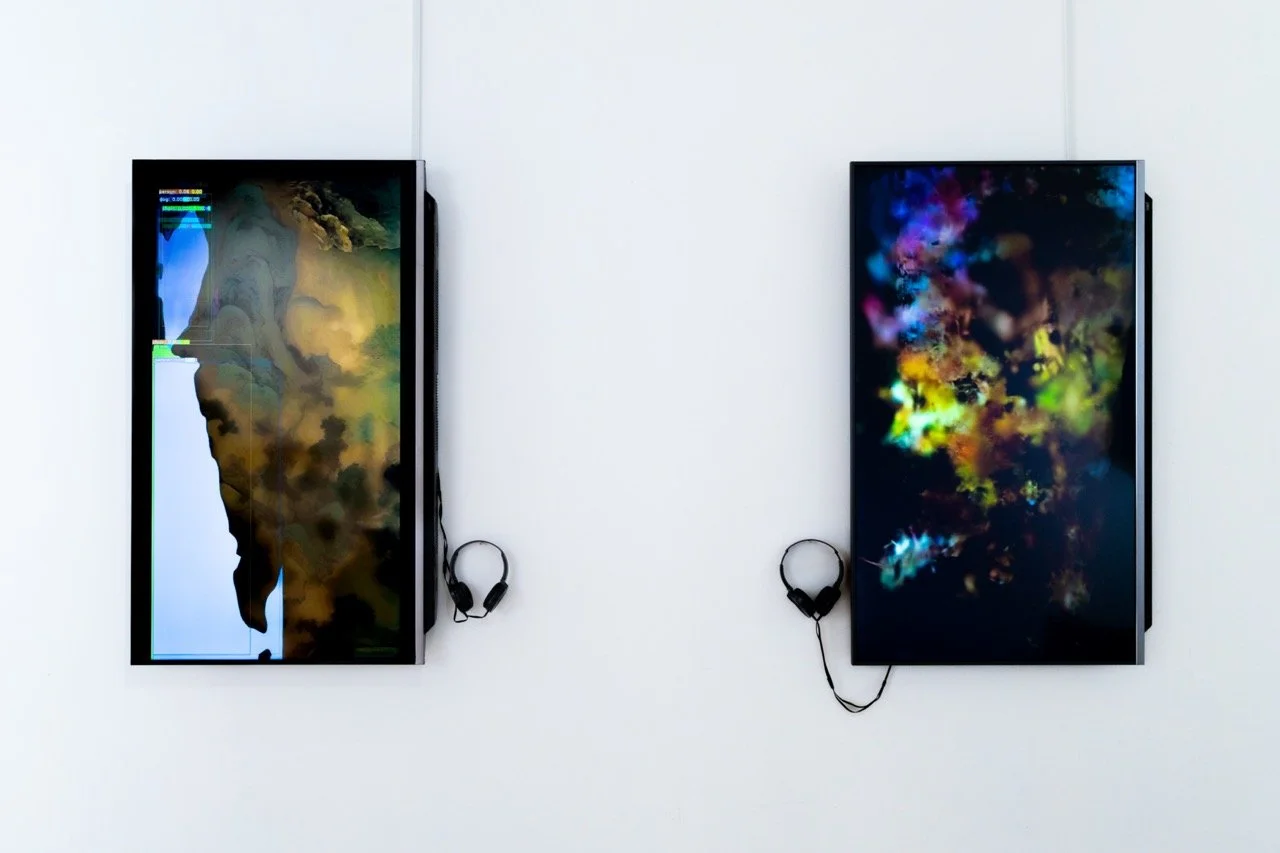
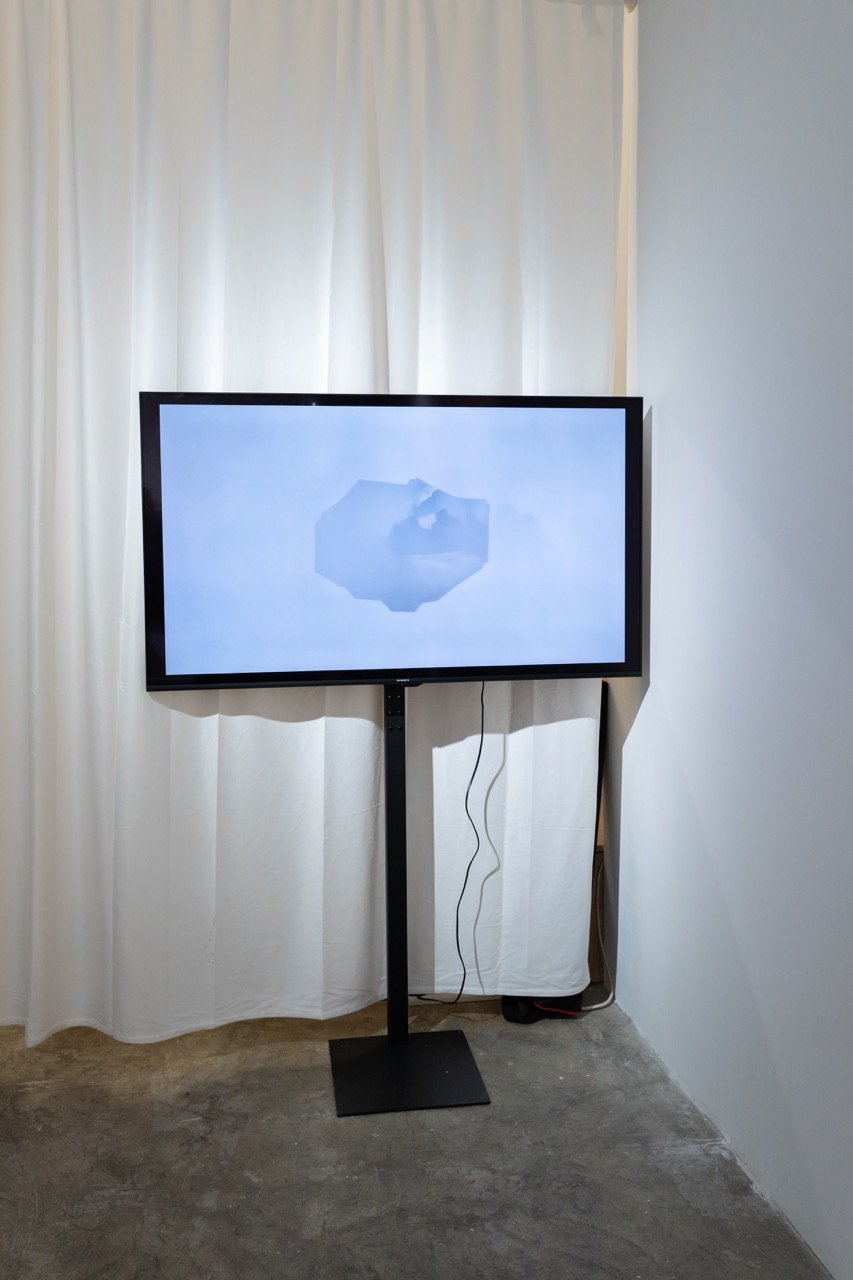
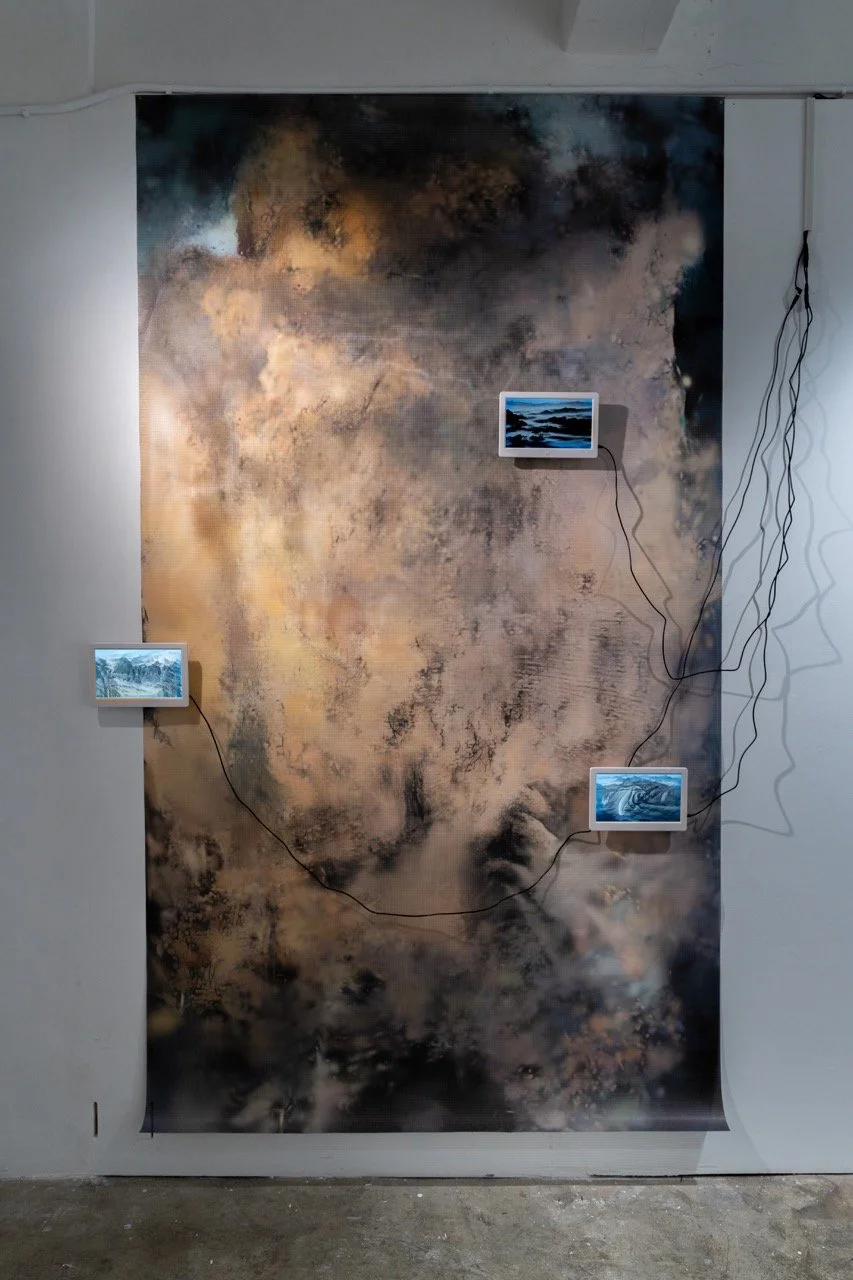
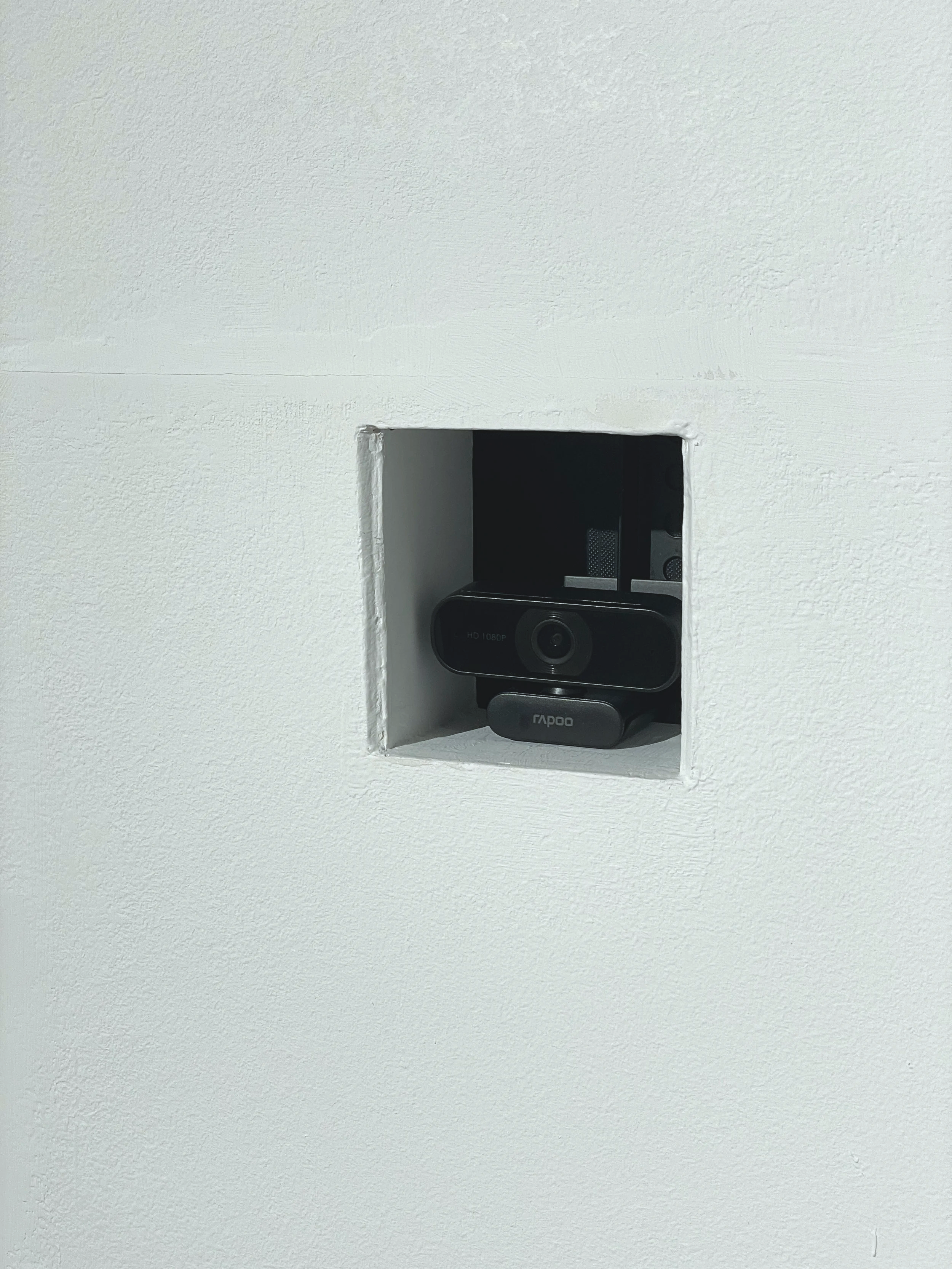
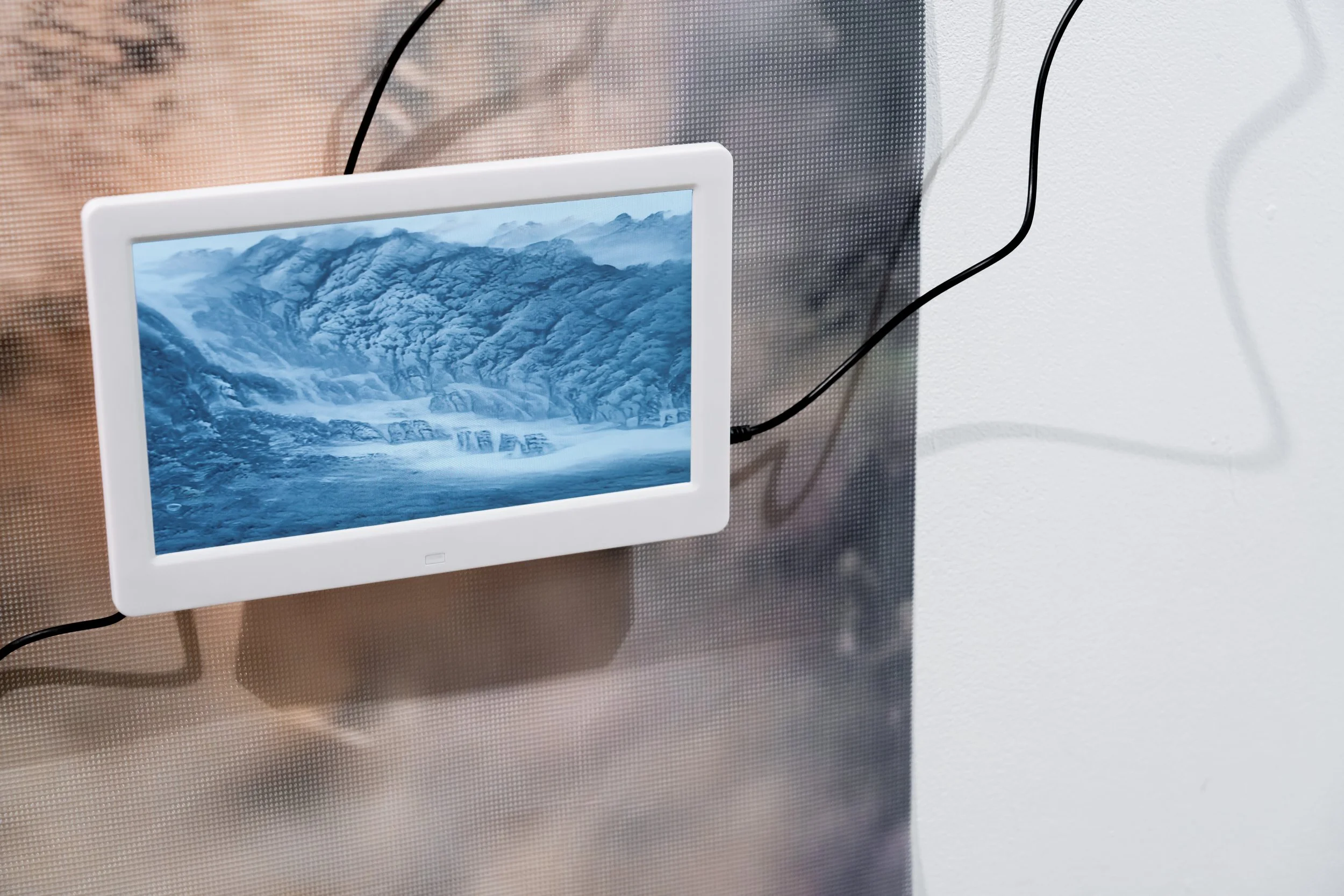
Algoriscape (Algorithm + Landscape) reimagines Shan Shui, the Chinese landscape tradition, as an inquiry into perception, agency, and the aesthetics of mediation. Employing digital technology such as machine learning, computer vision, Gaussian Splatting, and game engine, the works generate landscapes where brush and ink become fields of probability, composition becomes topology, and emptiness is rendered as calibrated gaps in data and light. Yet the exhibition is an exploration and critique that tests the promises and frictions of machine creativity, as well as the human perception to see through an algorithm’s eye.
Traditional Shan Shui offers principles that establish a multi-point perspective, shifting angles, resonance of space and emptiness, and circulation of energy, etc. Algoriscape subjects these principles to the perceptual habits of machines, including segmentation, inference, and volumetric reconstruction, to query what is lost, transformed, or discovered when a landscape becomes a procedure. In this translation, the works do not merely depict landscapes, they perform landscape as an evolving relation between sensing, interpreting, and wandering.
Based on Maurice Merleau-Ponty’s Phenomenology of Perception, the exhibition frames AI art as a chiasm, an interlacing circuit where human and machine perception fold into each other. Prompts, datasets, models, interfaces, and viewers co-constitute the artworks, while each iteration reverses roles as we teach the system to see and the system teaches us how it sees. A reciprocity of both collaboration and friction, constituted by model, dataset, and artist’s decisions to form co-authorship. “Machine Creativity” is neither autonomous nor instrumental, it is a distributed agency that complicates notions of intellectual, intention, and control.
Agoriscape raises questions: When landscapes are learned rather than observed, what kind of nature is imagined? What remains of emptiness when rendered into numbers? How do cultural lineages persist or fracture when encoded into weights and priors?
The exhibition offers reflection rather than resolution, a reversible interplay between seeing and being seen within the system, enabling us to sense how human judgment influences machine output, and conversely, how machine patterns reshape our expectations, where tradition, technology, and ethics come together. It explores not only how machines see on our behalf, but also how we choose to engage with them in our observation.