Research and Development Funded Project
Immersive Narrative: A Practice-base Study on the Digital Retelling of Traditional Hong Kong Handicraft Stories through Virtual Reality Experiences
as Principal Investigator (PI)
This project was fully supported by Hong Kong Metropolitan University Research Grant (No. RD/2023/1.10).
Journal article
Virtual reality-based cultural heritage preservation: a case study of interactive Hong Kong porcelain painting simulation through CAVE technology
Human-Intelligent Systems Integration (Springer Nature), 12 Sep 2025, DOI: 10.1007/s42454-025-00072-0
Tin, L.M., Li, X. & Lam, T.F. Virtual reality-based cultural heritage preservation: a case study of interactive Hong Kong porcelain painting simulation through CAVE technology. Hum.-Intell. Syst. Integr. (2025). https://doi.org/10.1007/s42454-025-00072-0
Conference and Conference Paper
15th International Conference on Human Interaction & Emerging Technologies (IHIET 2025)
University of Vienna, Austria, August 25-27 August 2025
Tin, L., Li, X., Lam, T. (2025). Embodied Virtual Reality Experience in Cultural Heritage Preservation: Interaction and Engagement in Traditional Hong Kong Porcelain Art. In: Tareq Z. Ahram and Renate Motschnig (eds) Human Interaction and Emerging Technologies (IHIET 2025). AHFE (2025) International Conference. AHFE Open Access, vol -5. AHFE International, USA.
http://doi.org/10.54941/ahfe1006754
30th International Symposium on Electronic/Emerging Art (ISEA2025)
Seoul National University, Republic of Korea, 23-29 May 2025
LI, X., Tin, L. M., Lam, T. F., & CHUNG, C. K. (2025). Visualizing the Unseen: Digital Simulation and Immersive VR of Porcelain Firing Processes. 1256-1257. Paper presented at nternational Symposium on Electronic/Emerging Art: 2025, Seoul. https://doi.org/10.23362/KOEN2025.07.25.3.212
8th International Conference on Human Intelligent Systems Integration (IHSI 2025)
Sapienza Universita di Roma, Italy, 24-26 February 2025
Tin, L., Li, X., Lam, T. (2025). Advanced Computational Modeling and Simulation for Immersive Virtual Reality Experiences: Preserving Hong Kong's Traditional Handicrafts. In: Tareq Ahram, Waldemar Karwowski, Carlo Martino, Giuseppe Di Bucchianico and Vincenzo Maselli (eds) Intelligent Human Systems Integration (IHSI 2025): Integrating People and Intelligent Systems. AHFE (2025) International Conference. AHFE Open Access, vol 160. AHFE International, USA.
http://doi.org/10.54941/ahfe1005881
Hong Kong Association for Digital Humanities International Conference 2025 (HKADH2025)
University of Hong Kong, Hong Kong, 16-19 January 2025
LI, X., TIN, L. M., & Lam, T. F. (2025). Porcelain, Paintings, and Pixels: Preserving Hong Kong's Traditional Handicrafts through Immersive Virtual Reality Narratives. Paper presented at Hong Kong Association for Digital Humanities International Conference 2025 , Hong Kong, Hong Kong.
Seminar
虛擬實境科技的應用與傳統工藝的再想像
Digital Art Laboratory, Hong Kong Metropolitan University, Hong Kong, 16 Jun 2025
Exhibition
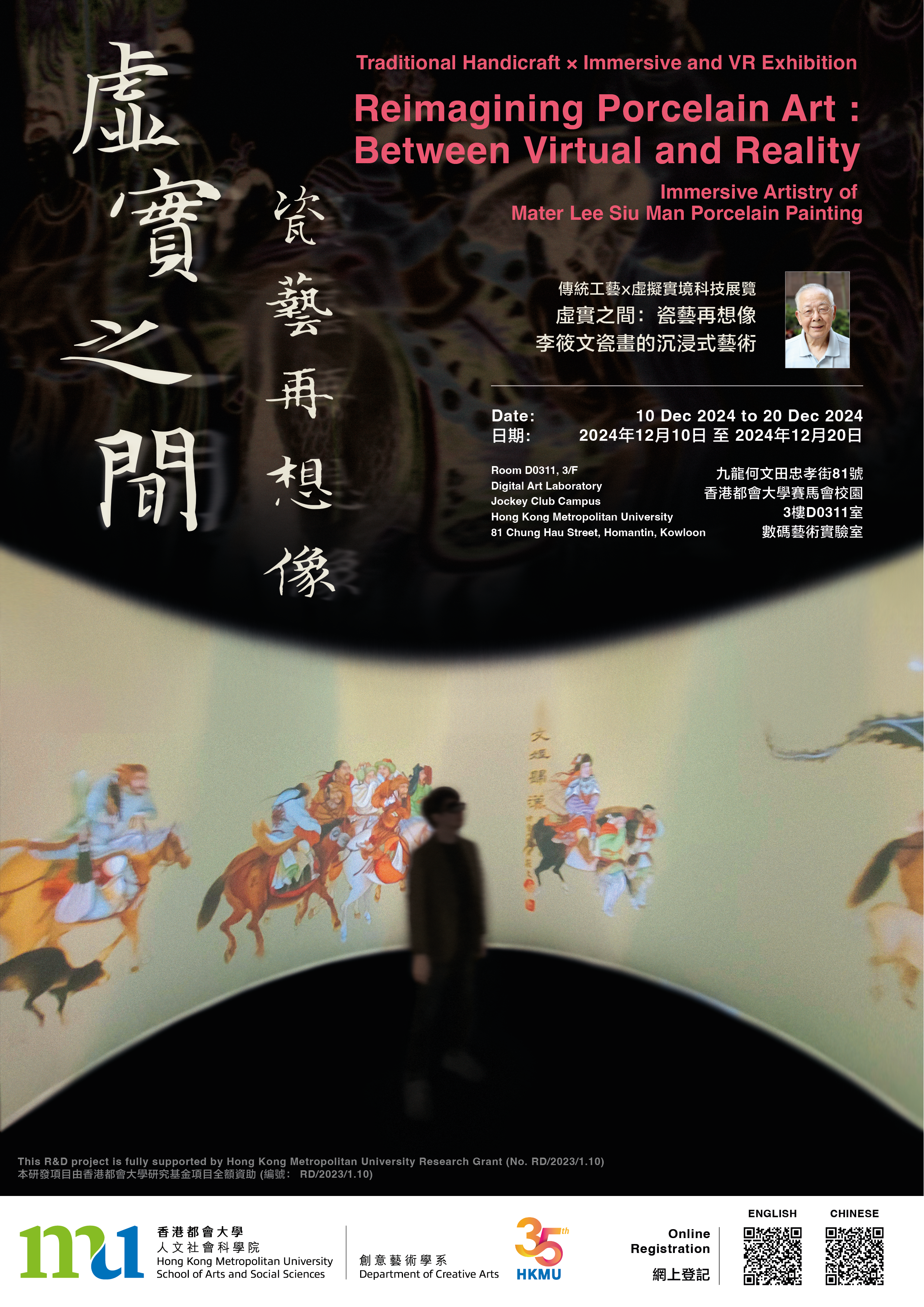
Reimagining Porcelain Art: Between Virtual and Reality - Immersive Artistry of Mater Lee Siu Man Porcelain Painting
Digital Art Laboratory, Hong Kong Metropolitan University, Hong Kong, 10-20 Dec 2024
Research Salon
The Multidisciplinary Era of Arts
Department of Creative Arts, Hong Kong Metropolitan University, Hong Kong, 6 June 2024
Summary
This project aimed to preserve and retell Hong Kong’s traditional handicrafts by using virtual reality (VR) technology to retell their stories in an immersive and engaging way. Many of these crafts, such as porcelain painting, are at risk of being lost due to various factors such as globalization, industrialization, and the lack of successors. By transforming these cultural treasures into interactive VR experiences, the project sought to bridge the gap between heritage and audiences.
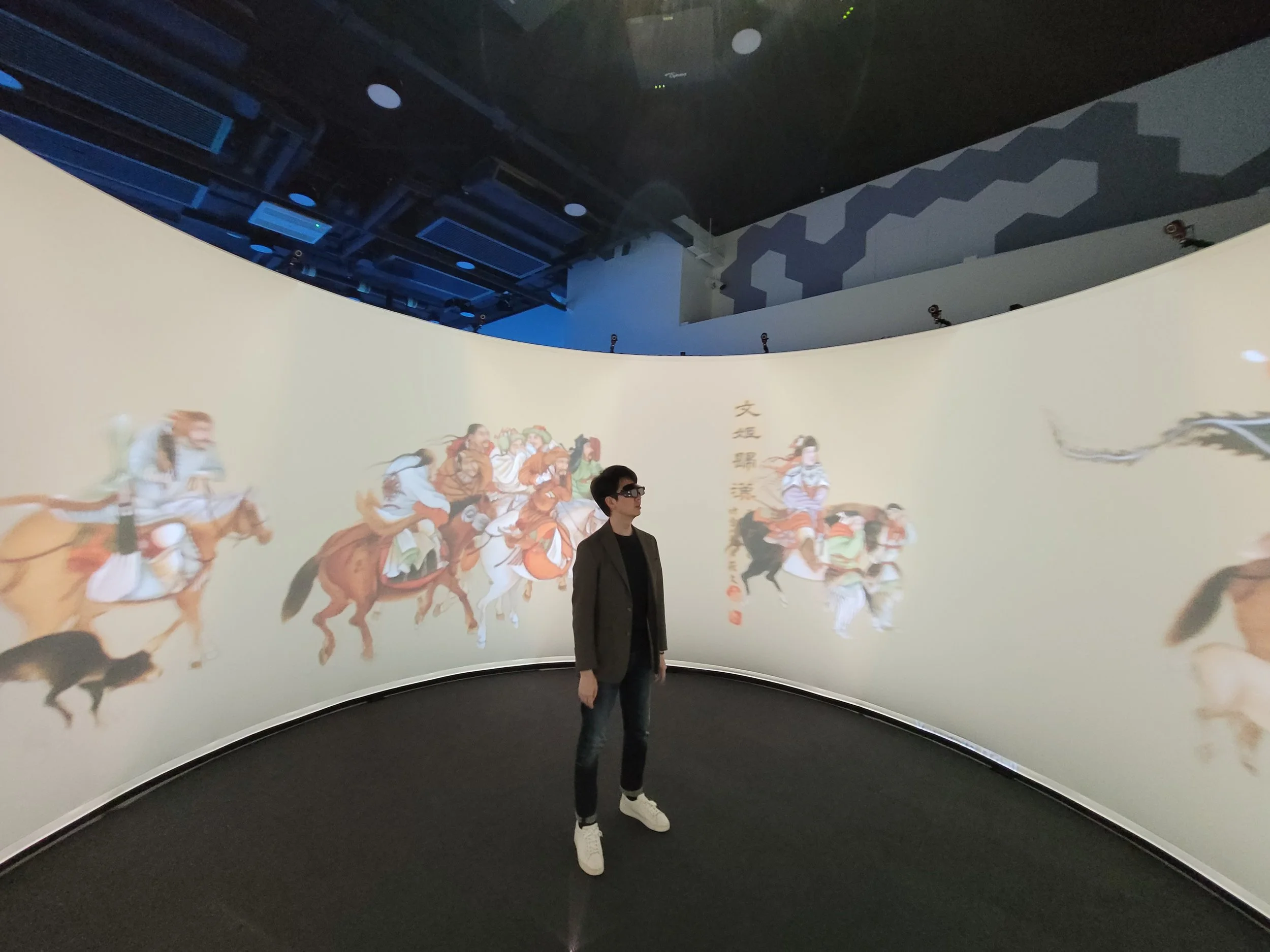
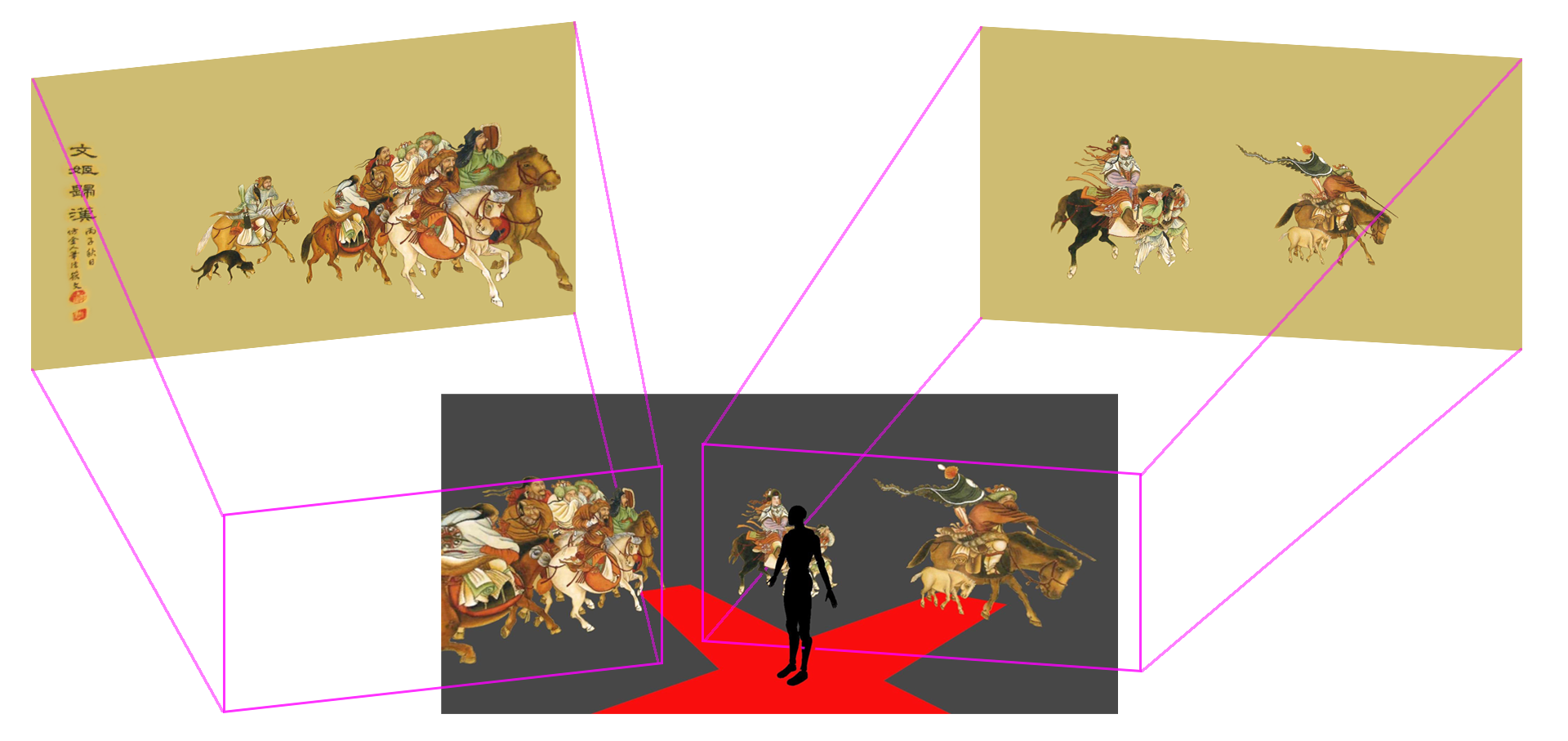
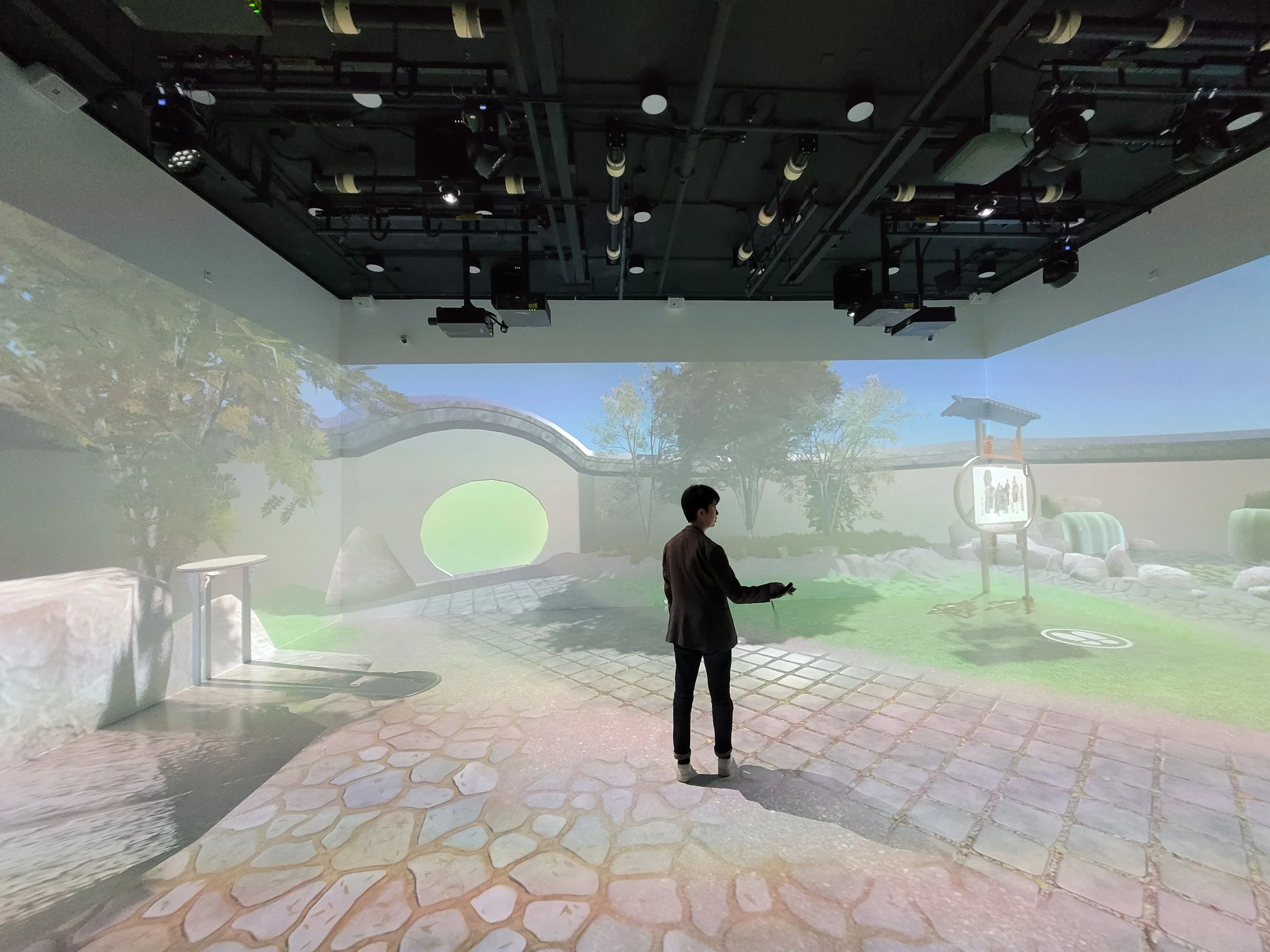
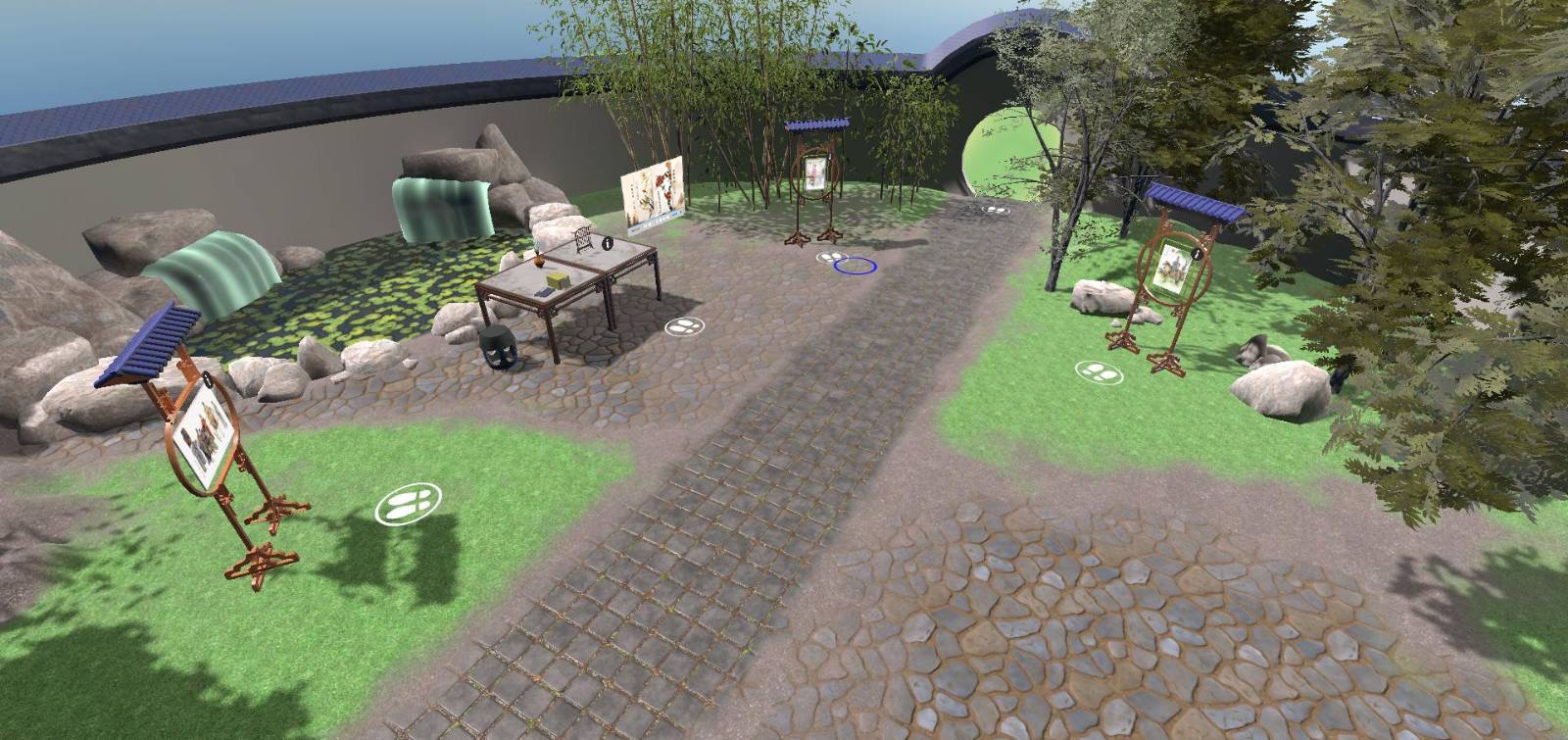
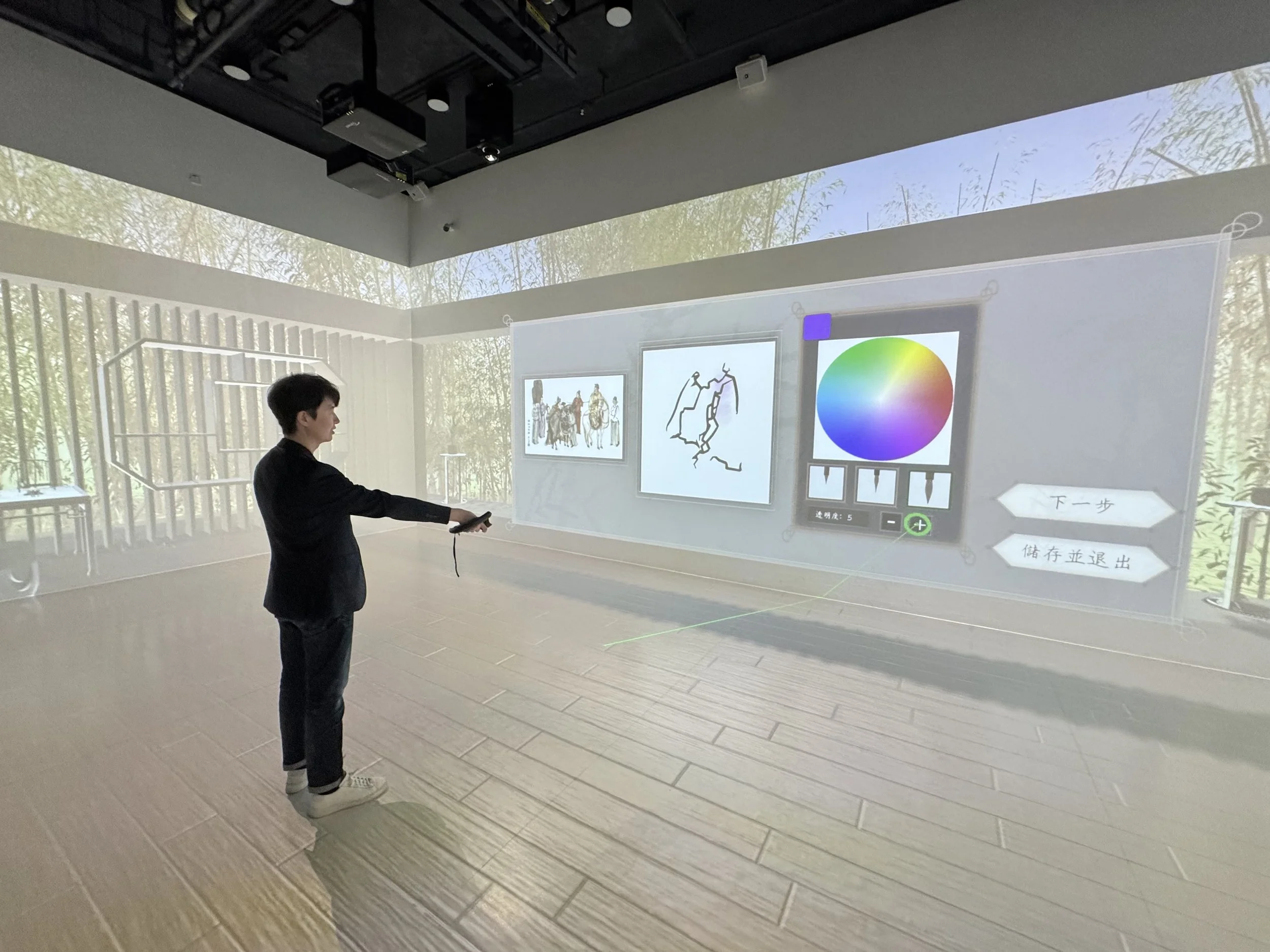
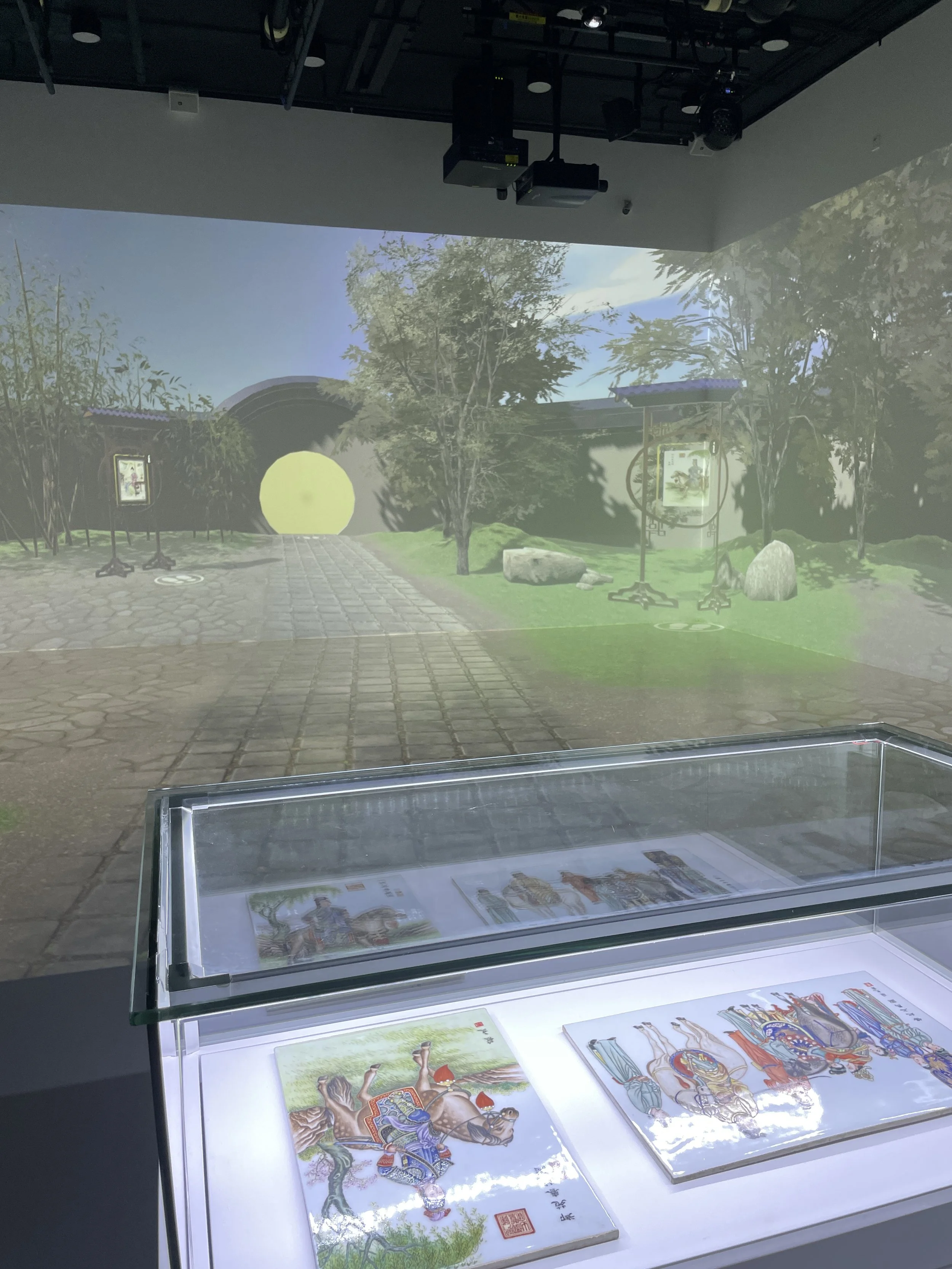
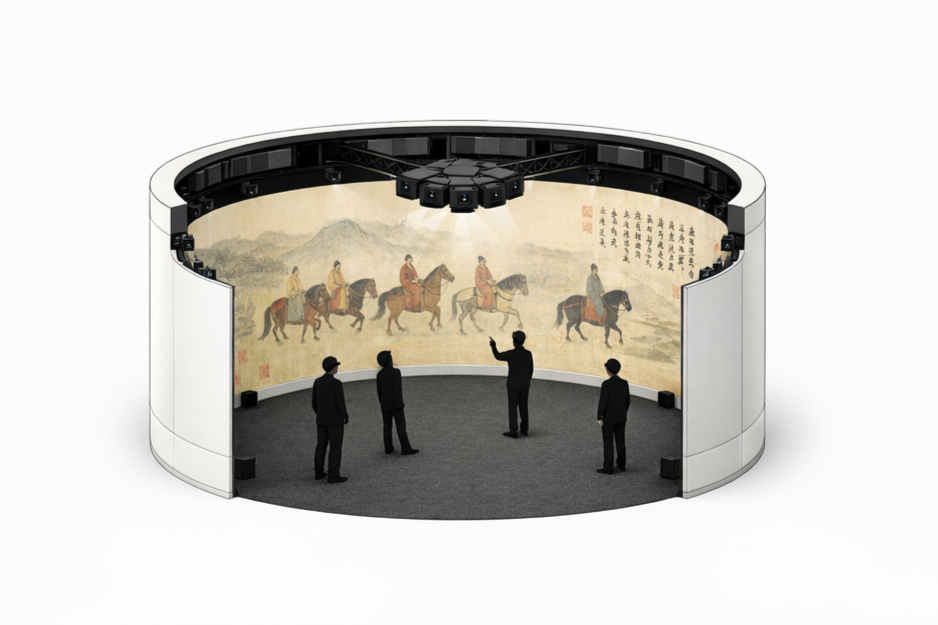
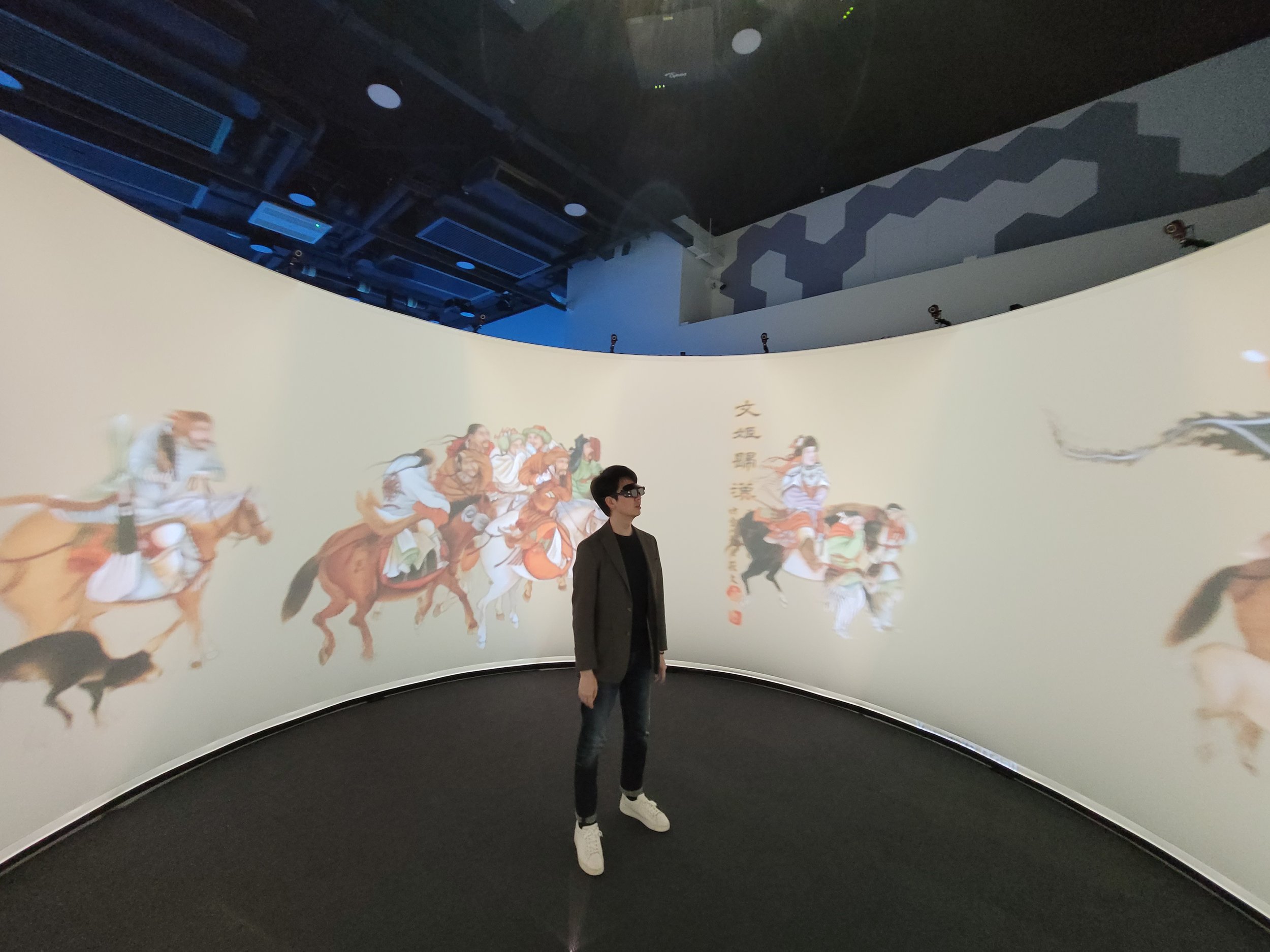
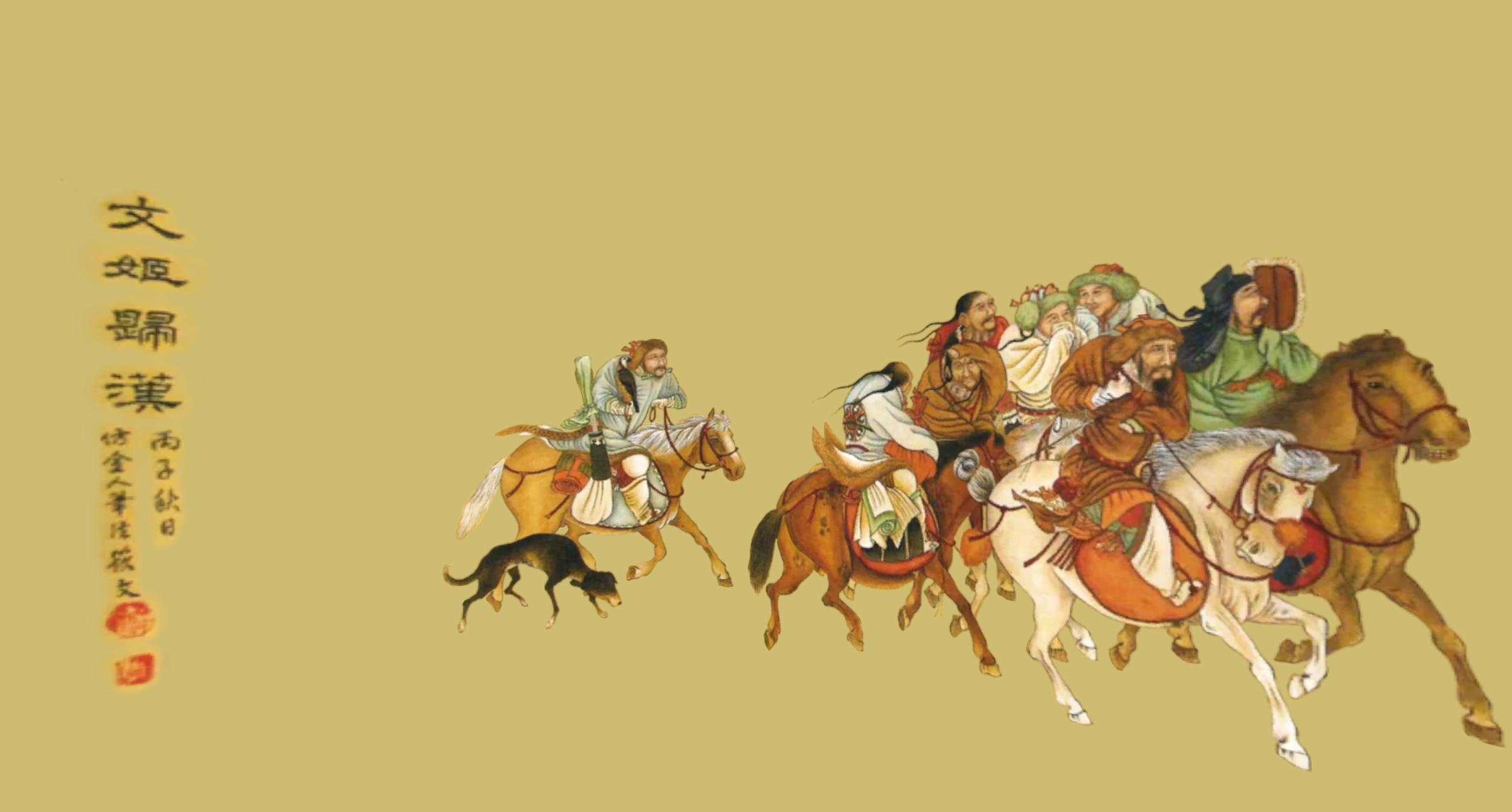
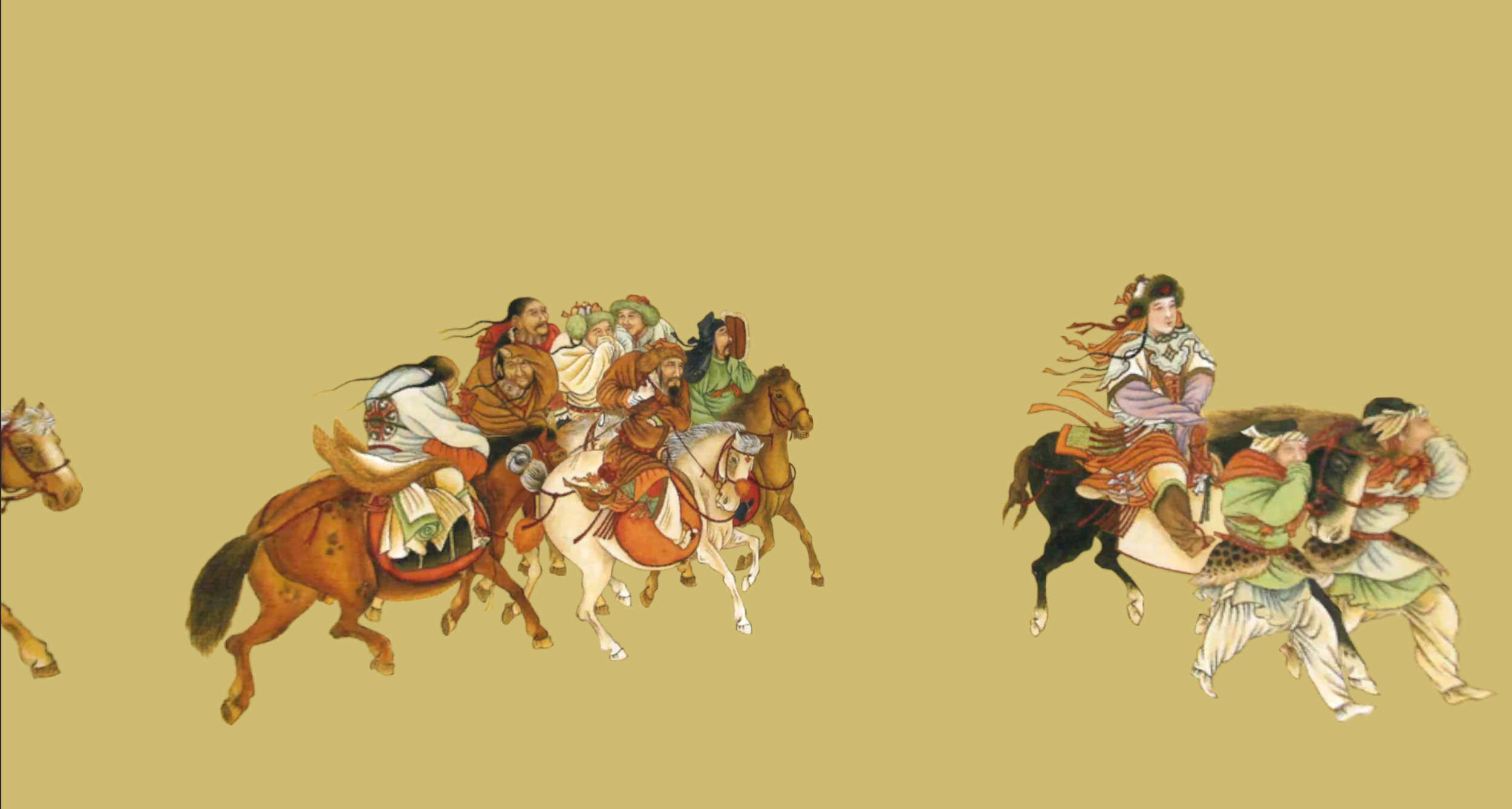
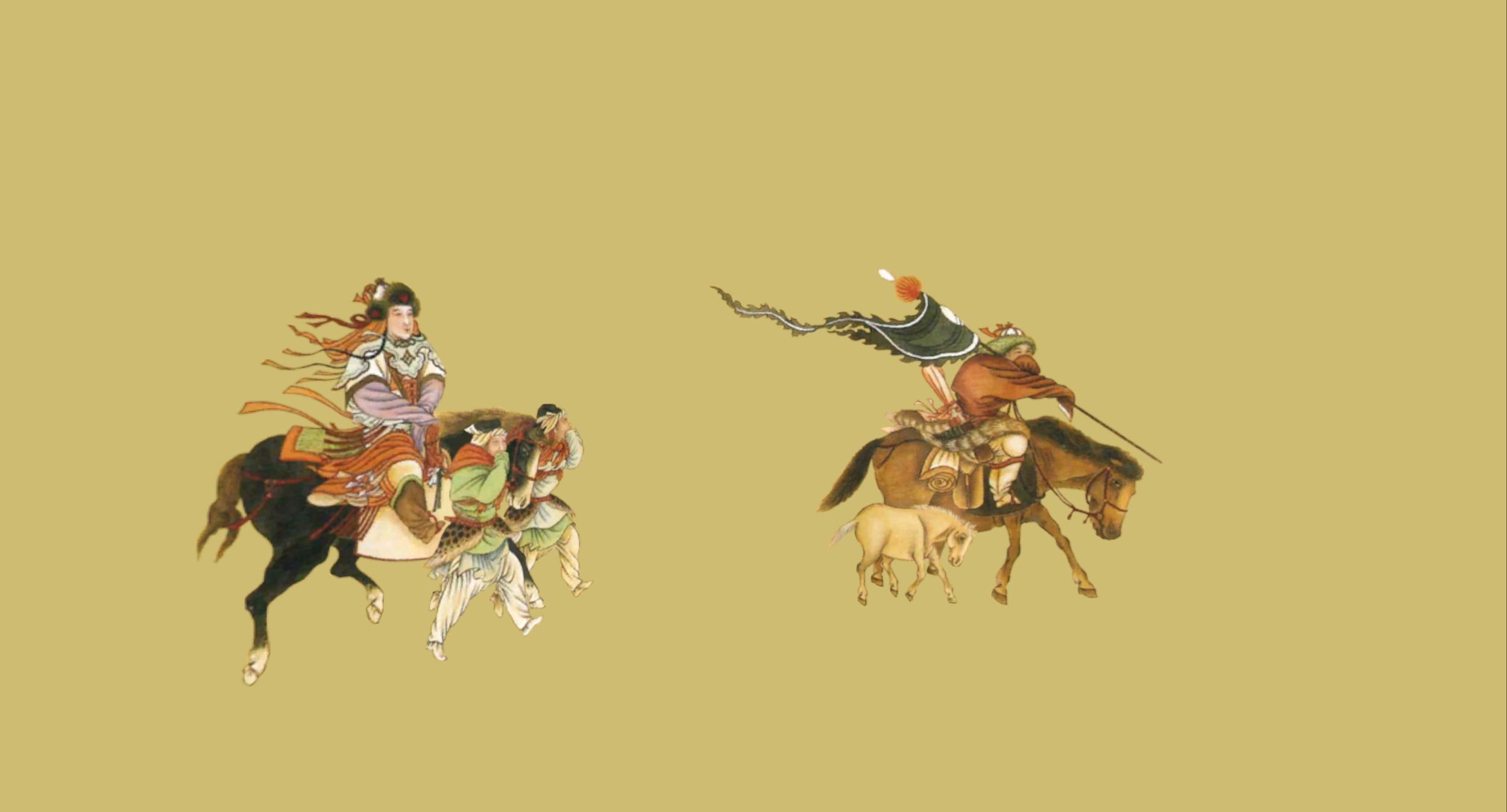
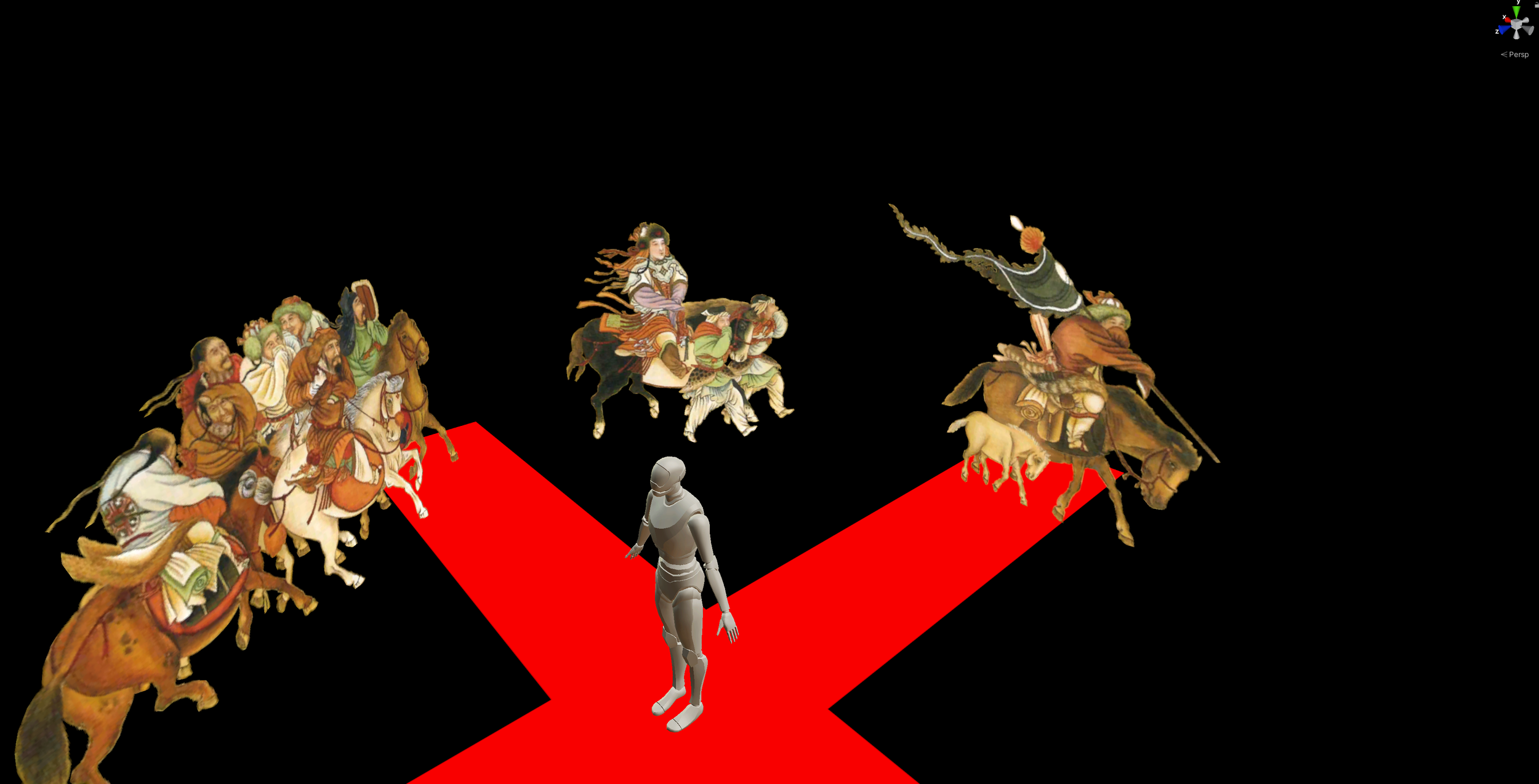
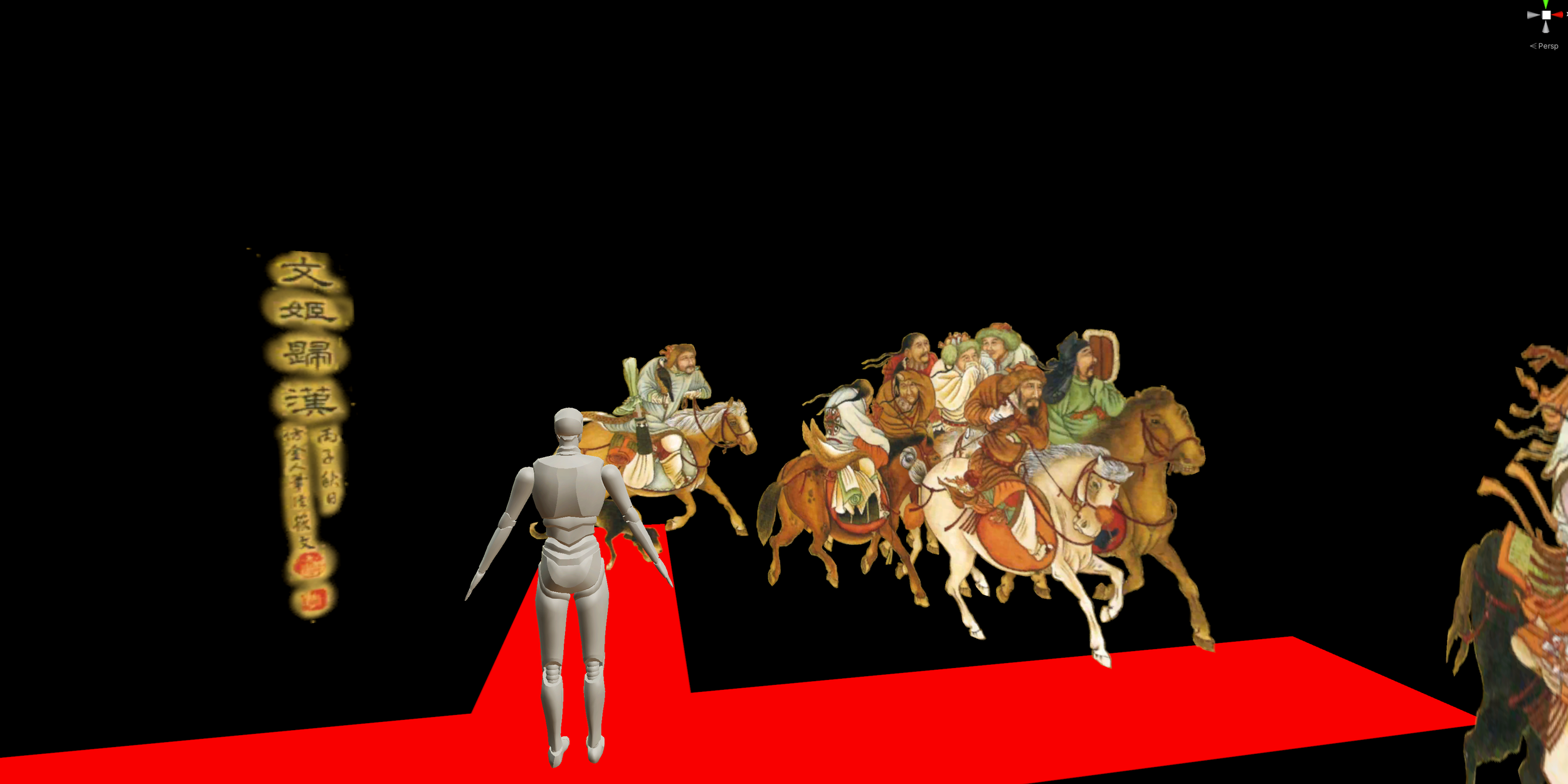
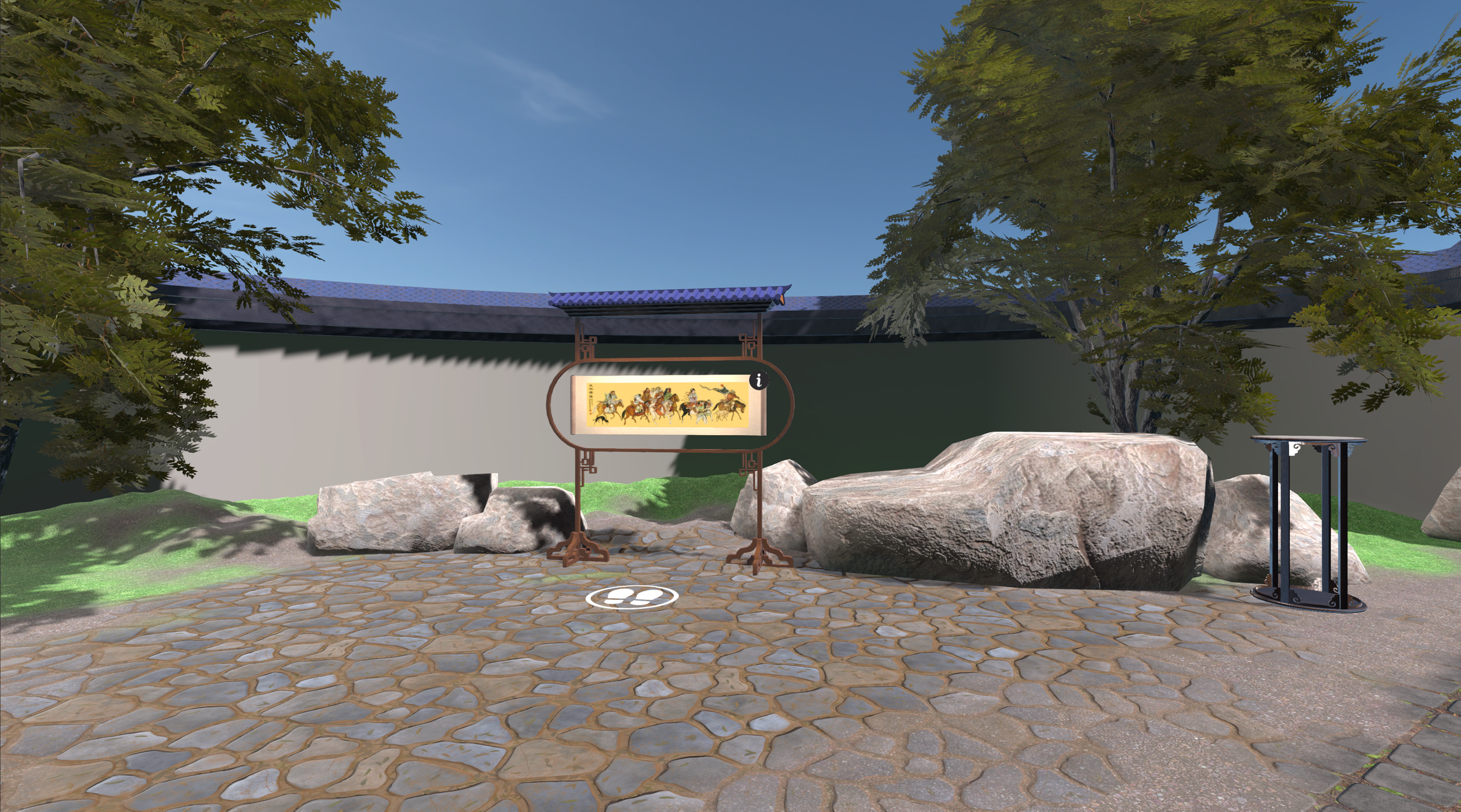
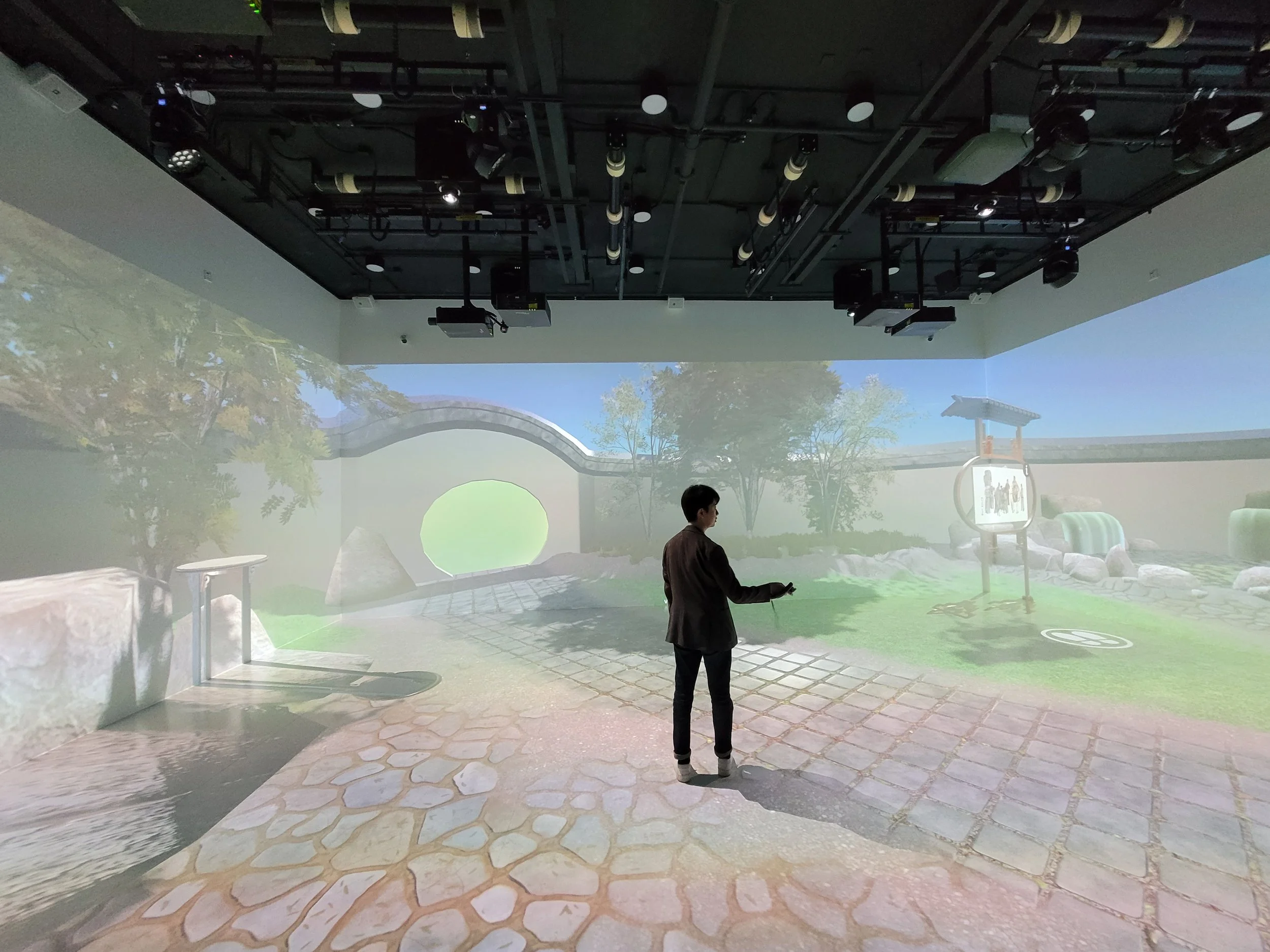
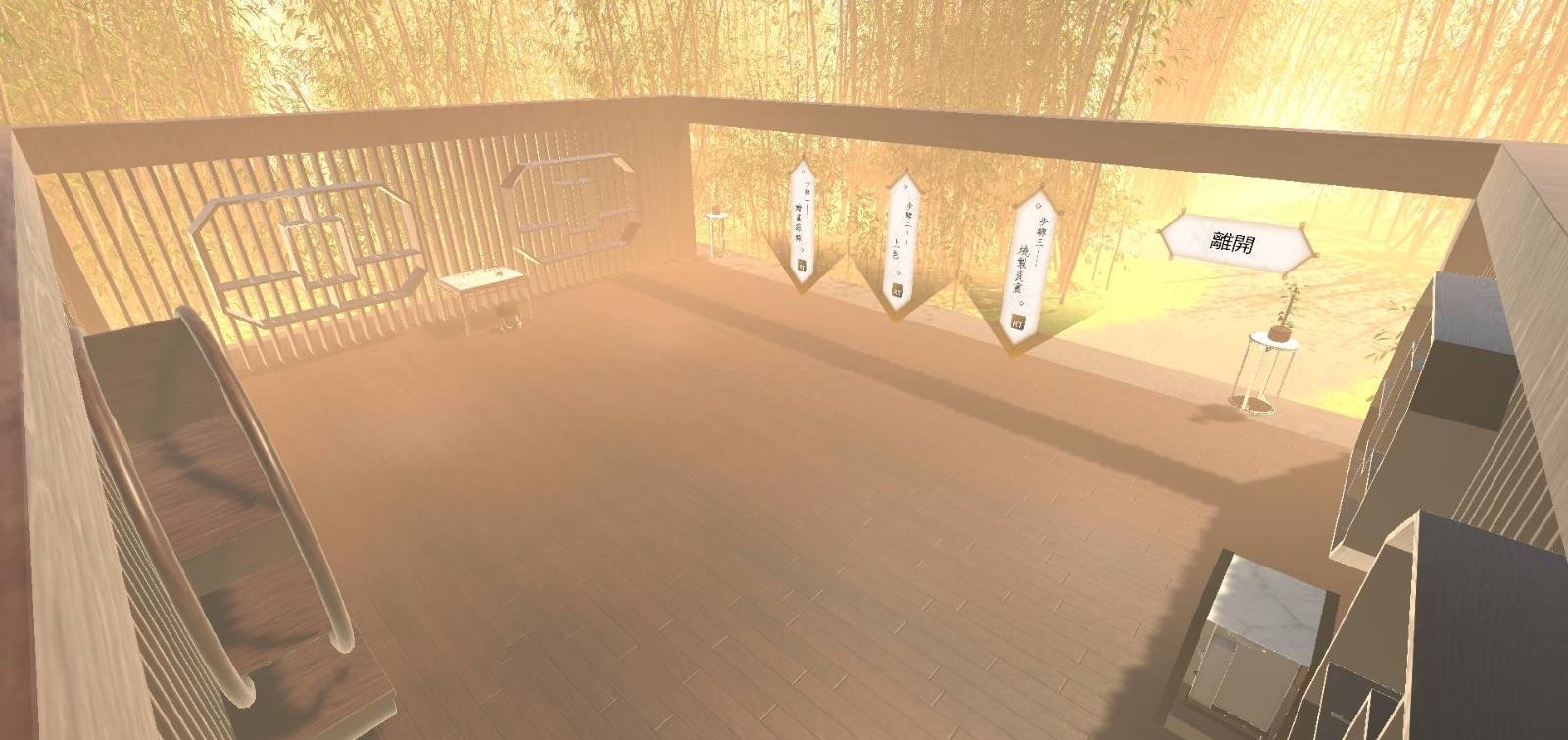
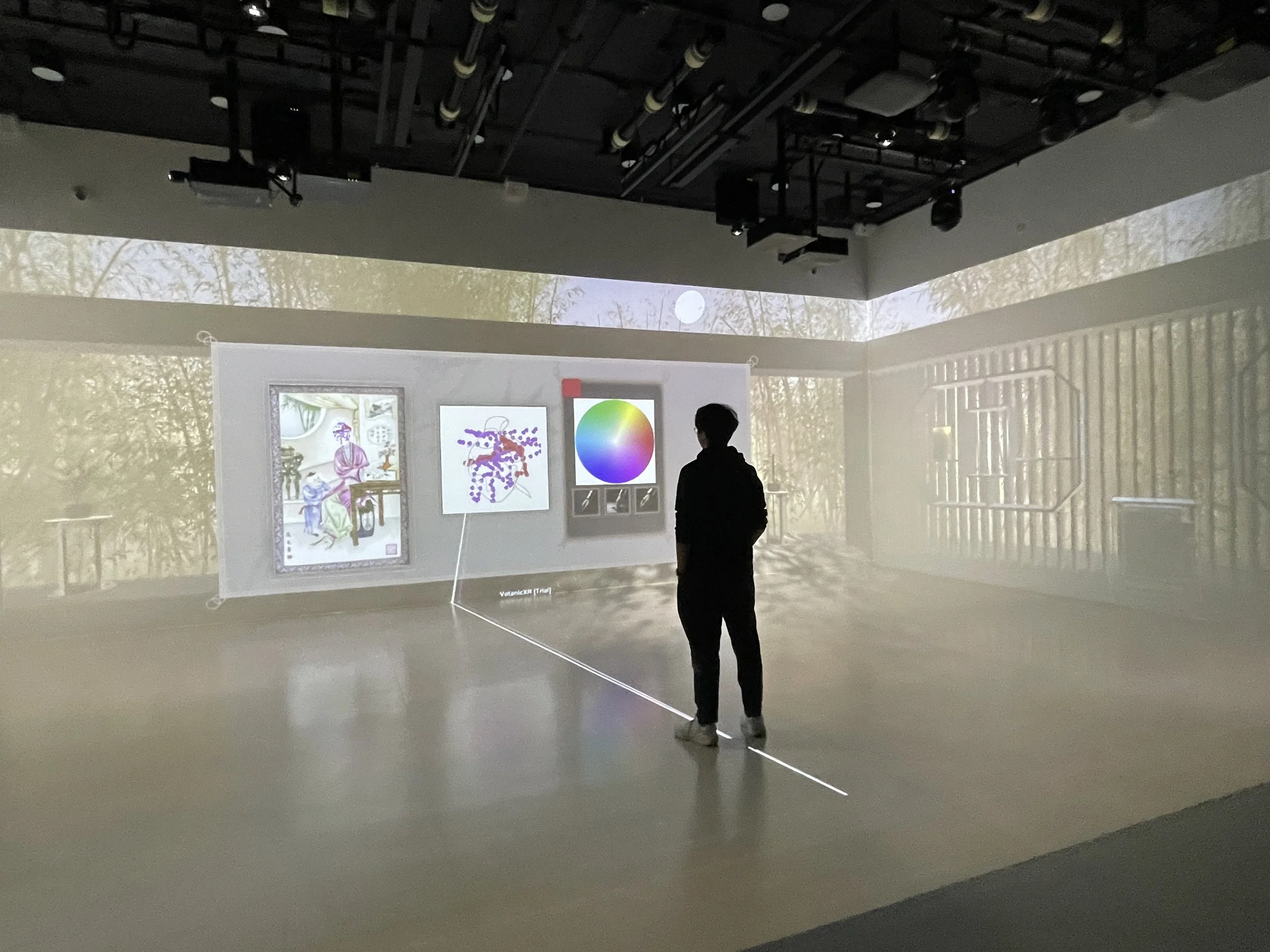
The research focused on the works of Master Lee Siu-man, a renowned Hong Kong porcelain painter, and digitally reinterpreted his classic pieces, like Wen Ji Returning to Han (文姬歸漢圖), through 3D scanning, Gaussian rendering and VR storytelling. The goal was to create dynamic, narrative-driven experiences that allowed users to explore the history, techniques, and cultural significance of these crafts. For example, audiences could engage within the 270-degree and 360-degree immersive systems and interact with a porcelain painting in the virtual scenes, or try virtual porcelain craft-making.
Beyond preservation, the project highlighted the innovative fusion of art and technology. It demonstrated how digital tools could breathe new life into traditional art forms while making them accessible digitally. The outcomes included VR prototypes, academic publications, and exhibitions.
This work aligned with Hong Kong’s broader efforts to safeguard intangible cultural heritage and showcased the potential of immersive VR as a tool for cultural storytelling. By making heritage engaging and interactive, the project honored the past and also inspired future creativity and appreciation for Hong Kong’s unique artistic legacy.

Background
The idea for this project initially arose from an interest in the renowned Hong Kong porcelain painter, Mr Lee Siu-man. Mr Lee is a leading porcelain and antique painter in Hong Kong, skilled in various Chinese and foreign subjects and respected for his porcelain paintings of ancient figures. One of his antique paintings, Wen Ji Returning to Han (文姬歸漢圖), is particularly notable.
The story of Wen Ji Returning to Han (文姬歸漢圖) portrays the story of Wen Ji, a brilliant and beautiful woman from ancient China who gained fame. Despite being made to marry a Xiongnu during the Han Dynasty, she cleverly managed to escape and return to the Han Dynasty. As a result, she became a much-admired individual in Emperor Wu's court and played a crucial role in political and cultural affairs during the Han Dynasty. This tale has been passed down for over a thousand years and is a significant theme in painting, poetry, and opera.
The idea was whether virtual reality could reinterpret and reimagine the classic tale. Re-enacting tradition and meaningfully renewing an artistic work points to traditional Chinese classical art being redesigned and recreated for experience in a new age with digital thinking, resulting in a dynamic, immersive spatial presentation of classical digital art.
A related example is 'Cave Dance' by CAMLab at Harvard, which used machine learning and a collection of over 5,000 murals and figures to represent the inner imagination of Buddhist ritual dance culture. Through machine learning models, the morphological connections of the Dunhuang music dancers were used to generate animated sequences. For the data processing, CAMLab worked with professional dancers from the Beijing Dance Academy to reinterpret the texts related to the music and dance preserved at Dunhuang and to form the basis of the 'Cave-Dance' through a collaborative human-machine choreography. Through the digital performance, the project illustrates the inner imagination of Buddhist ritual dance culture as it relates to the body and transcendence.
However, our project focuses on interpreting classic stories. It emphasises the study of representative artefacts of individual artists and presents the possibilities of contemporary expression of digital art through virtual reality's immersive experience and the paths of traditional art's contemporary transformation. Fusing digital media and classical art may be a new digital art academic achievement in this era. It shows a new way of presenting technology and artistic thought's power, an essential inspiration for current and future art.
Cultural Preservation and Research Outputs
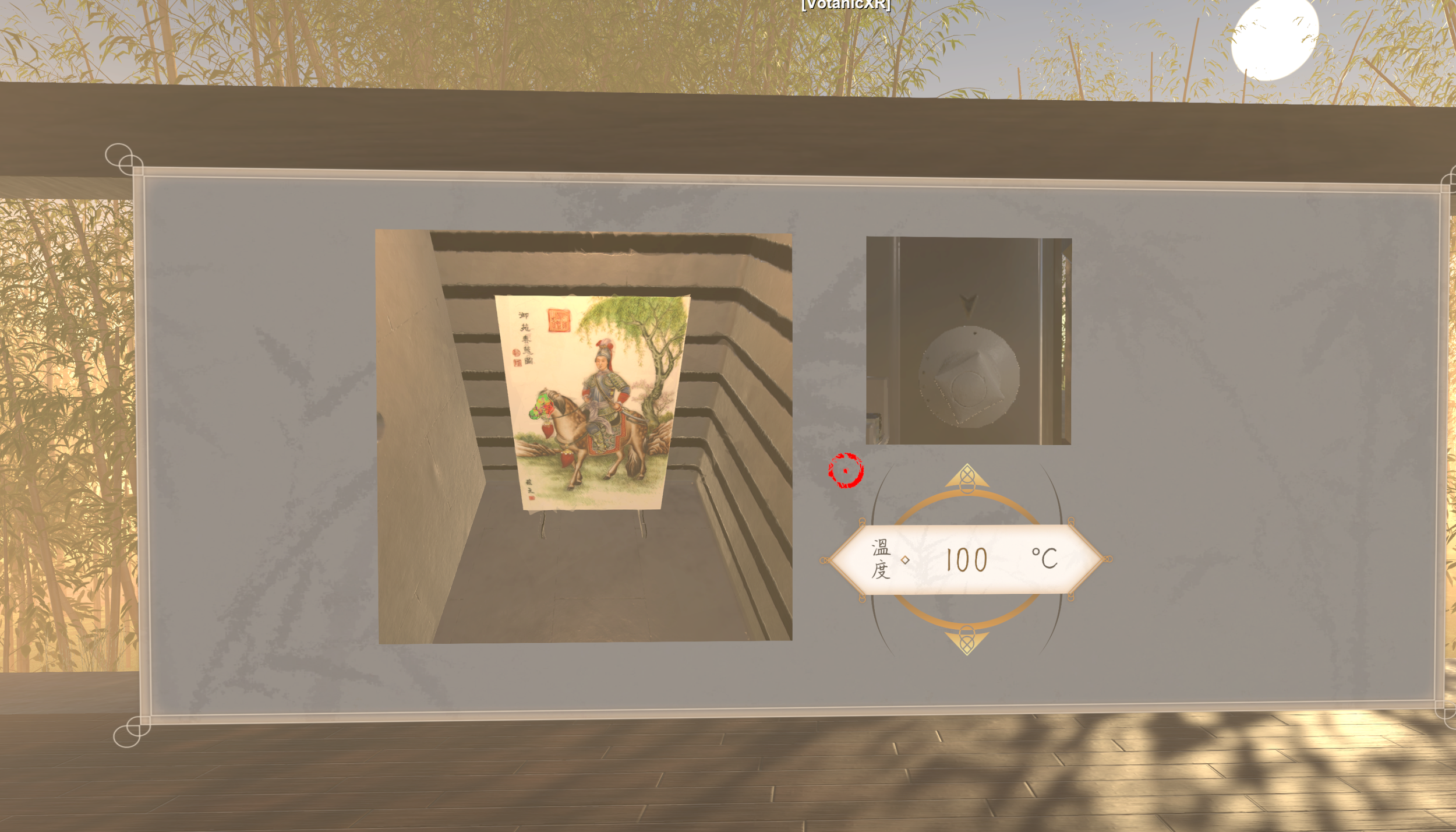
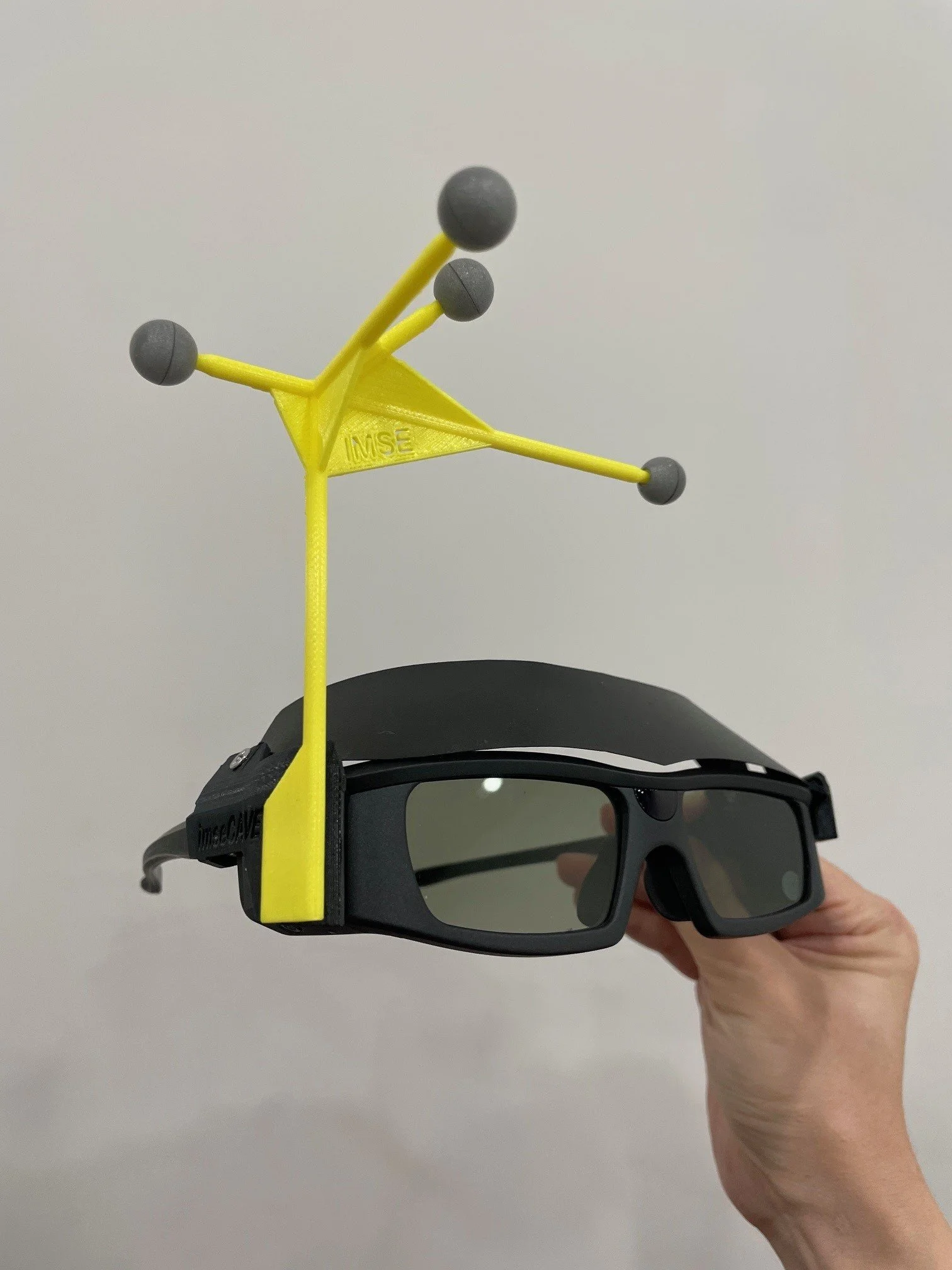
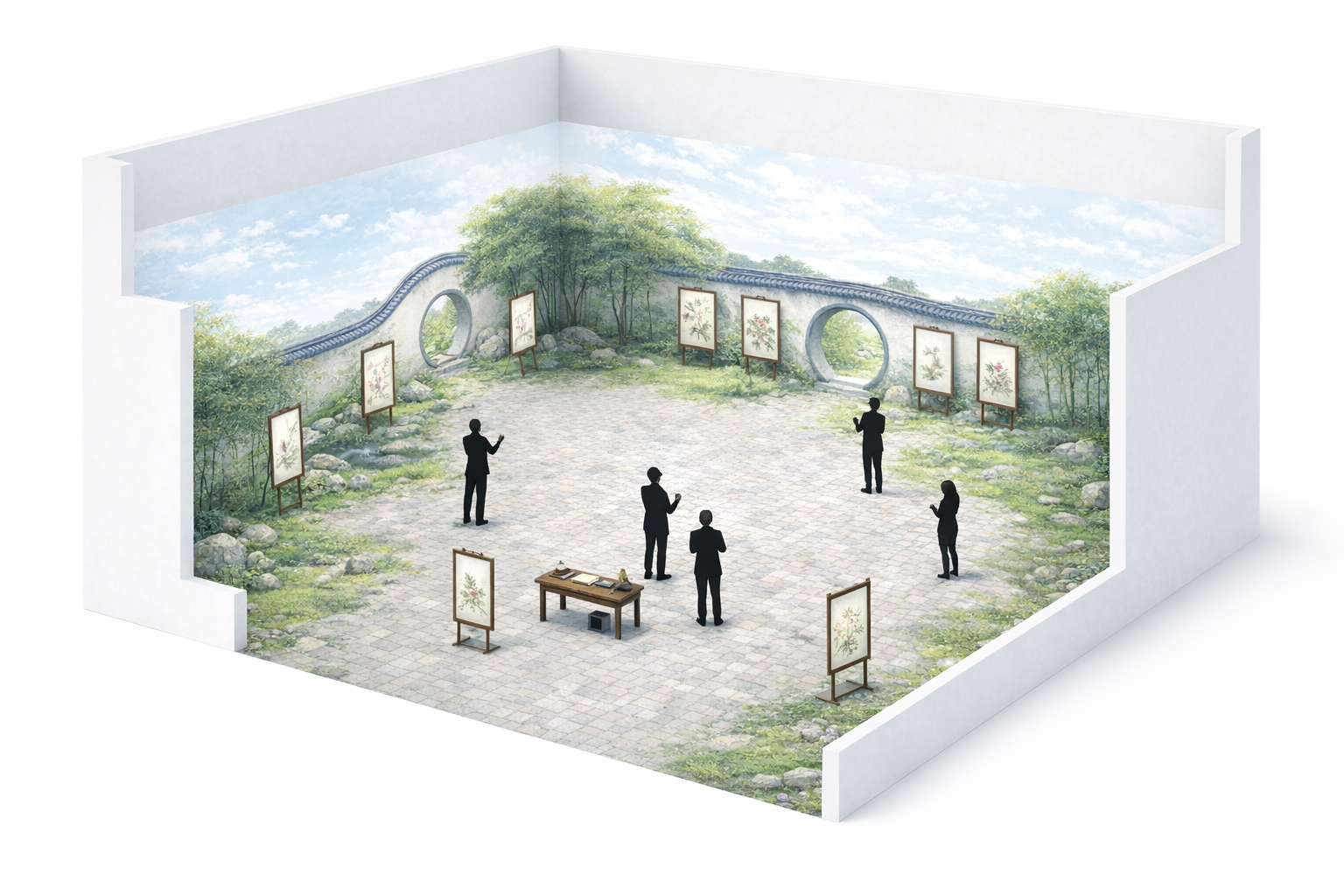
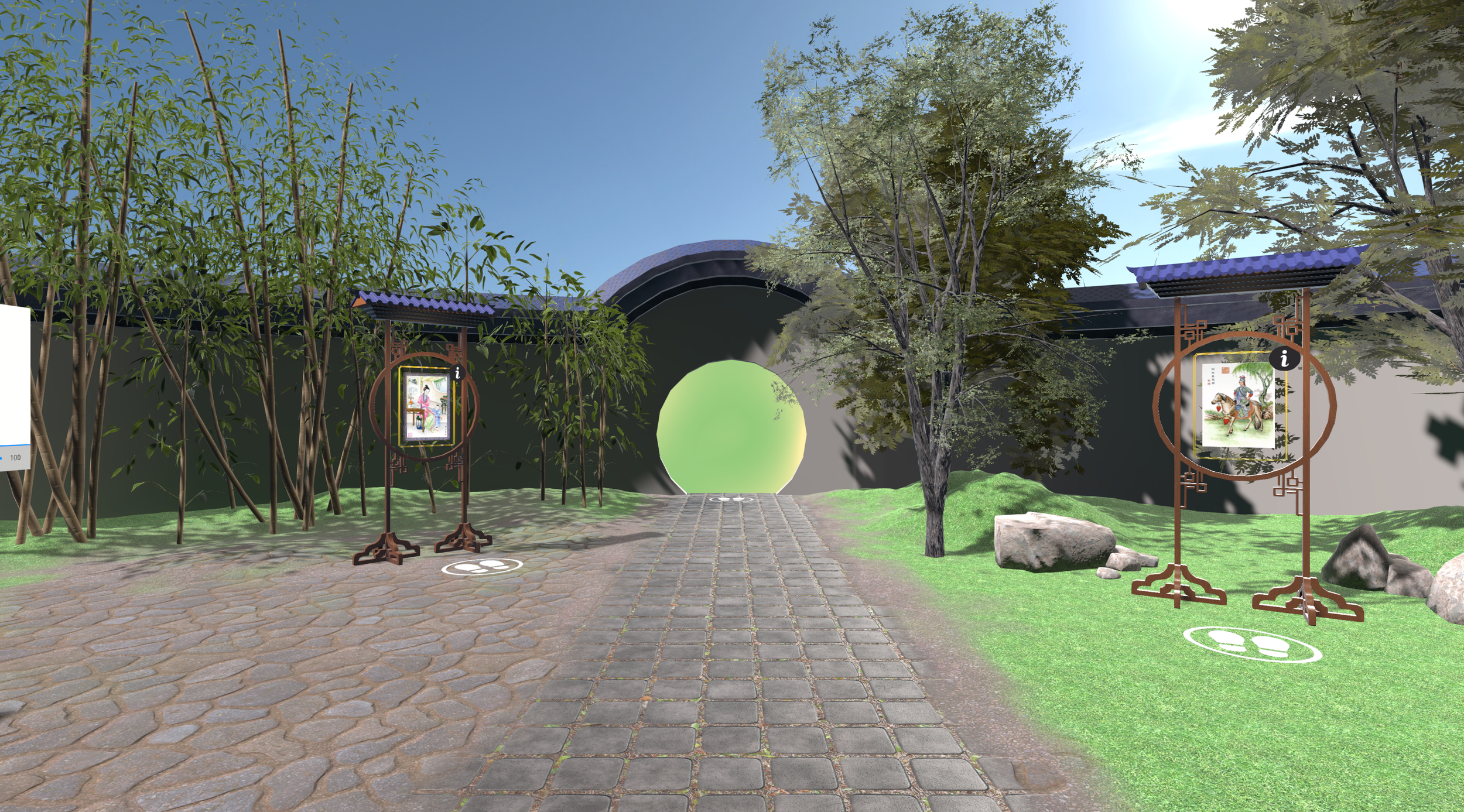
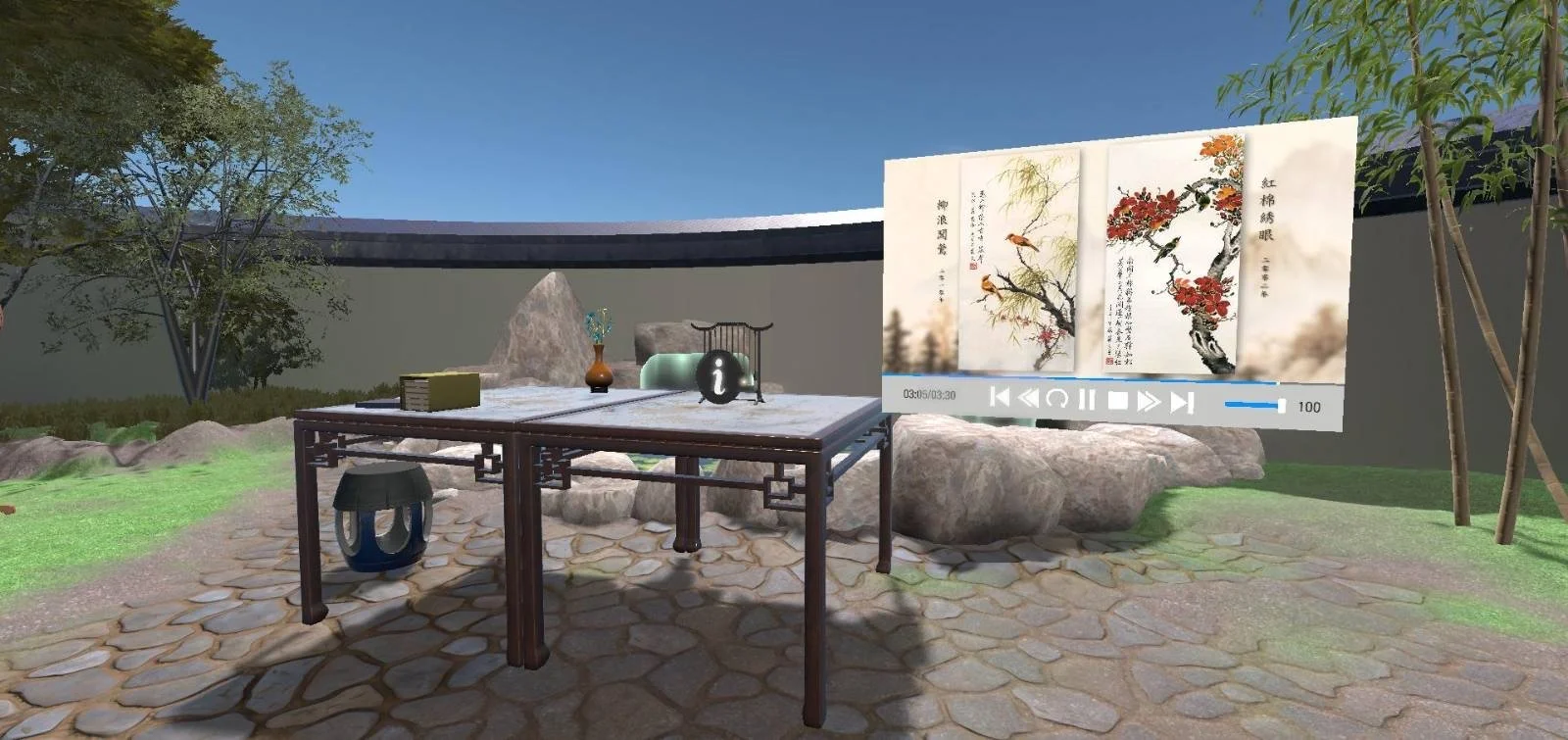
This research and development project has successfully demonstrated the effectiveness of utilizing immersive narratives and virtual reality (VR) technology, including advanced computational modeling and CAVE-based virtual environment that integrates 360-degree and 270-degree CAVE systems with Unity’s HDRP pipeline to retell traditional Hong Kong handicraft stories - Hong Kong porcelain paintings (also known as Guangcai). The project has created a digital platform that offers an engaging and interactive way for people to experience stories and information, and virtual craft-making related to porcelain art while also preserving cultural heritage.
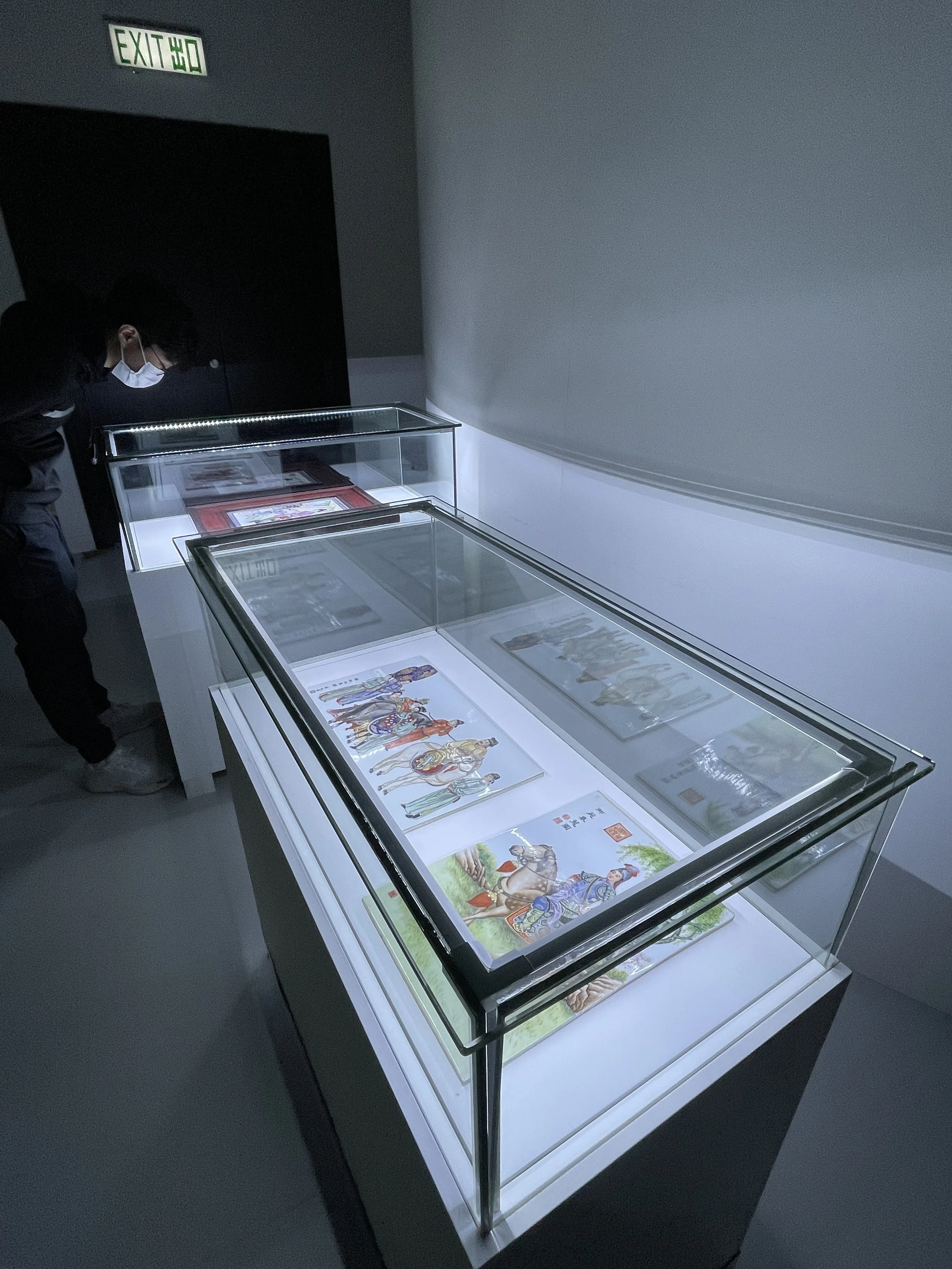
The project has achieved significant cultural preservation outcomes by digitally archiving traditional artwork and porcelain painting masterworks - Wen Ji Returning to Han (文姬歸漢圖), Yang Guifei Mounting a Horse (楊貴妃上馬圖), Kezi Tu (課子圖), and Fragrant Concubine Riding Horse (香妃騎馬圖).
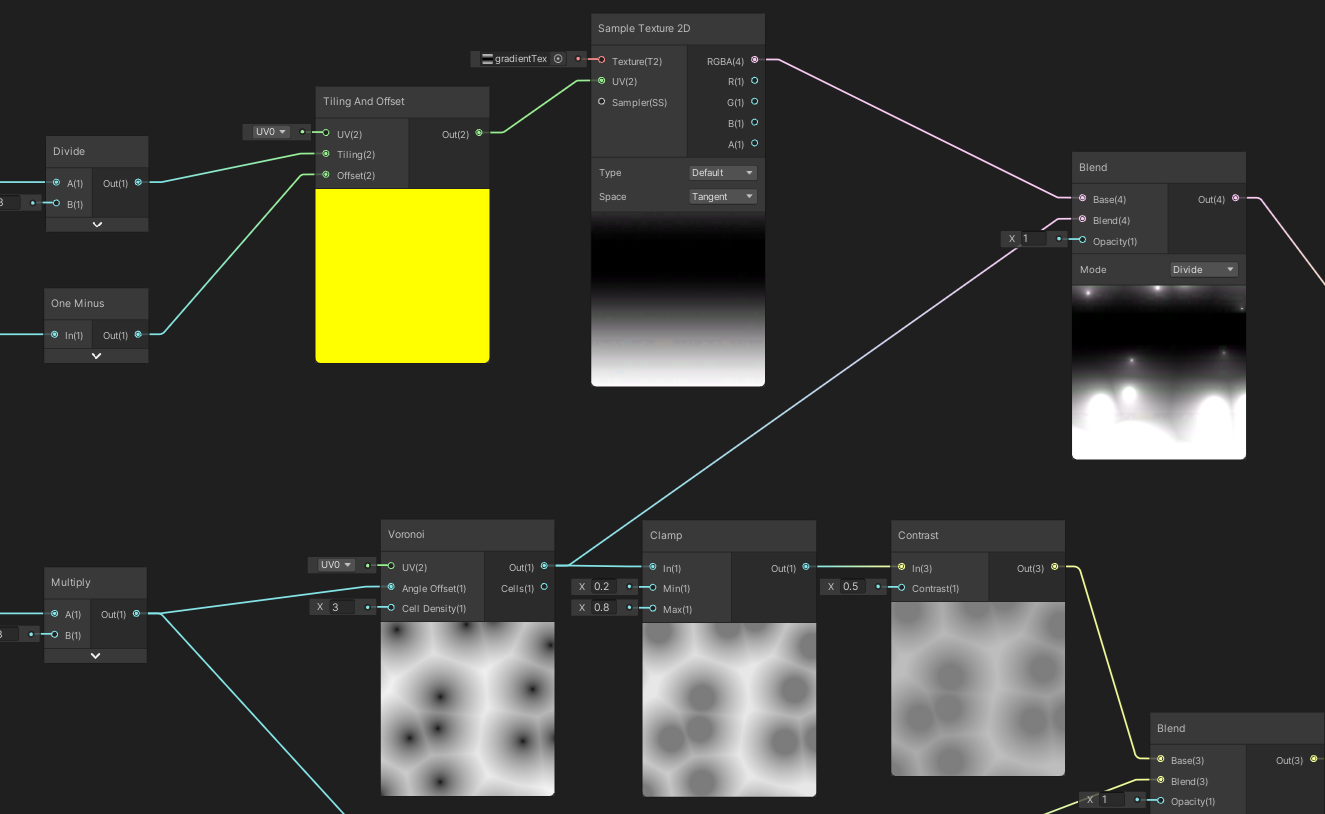
The integration of traditional art forms with contemporary digital technology has several significant contributions, particularly in the transformation of traditional porcelain paintings into dynamic narratives, the development of sophisticated digital brush and porcelain art production and simulation systems, and accurately simulating the temperature-dependent porcelain baking process (100-1000°C) through custom shader development.
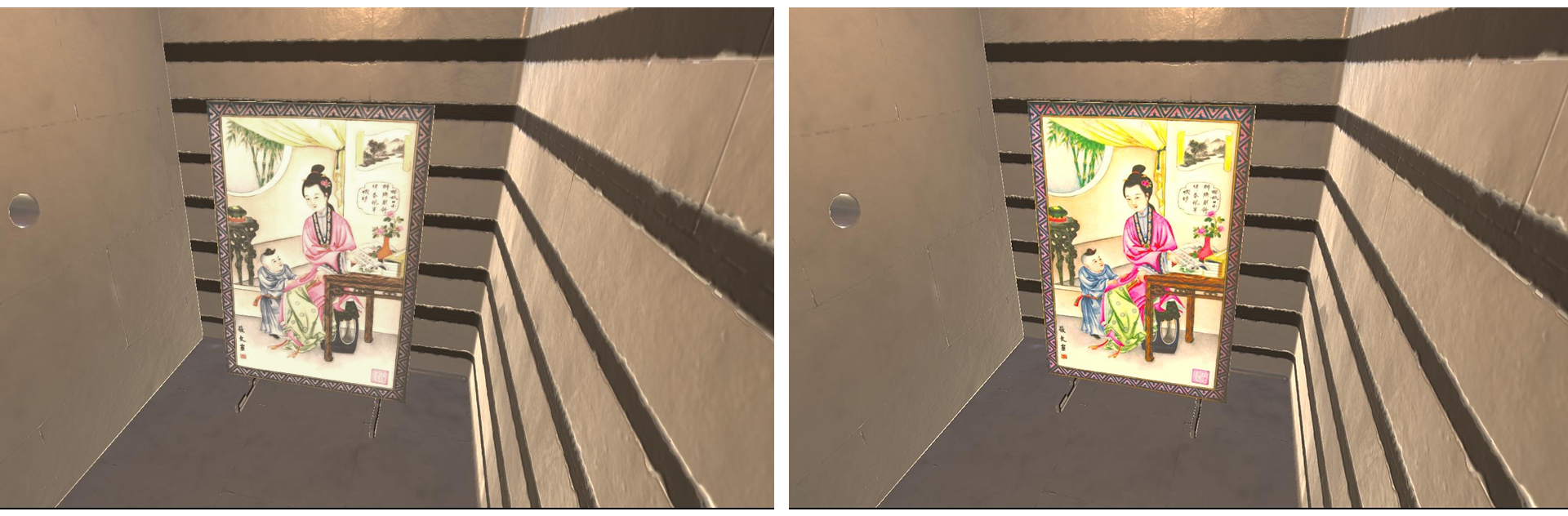
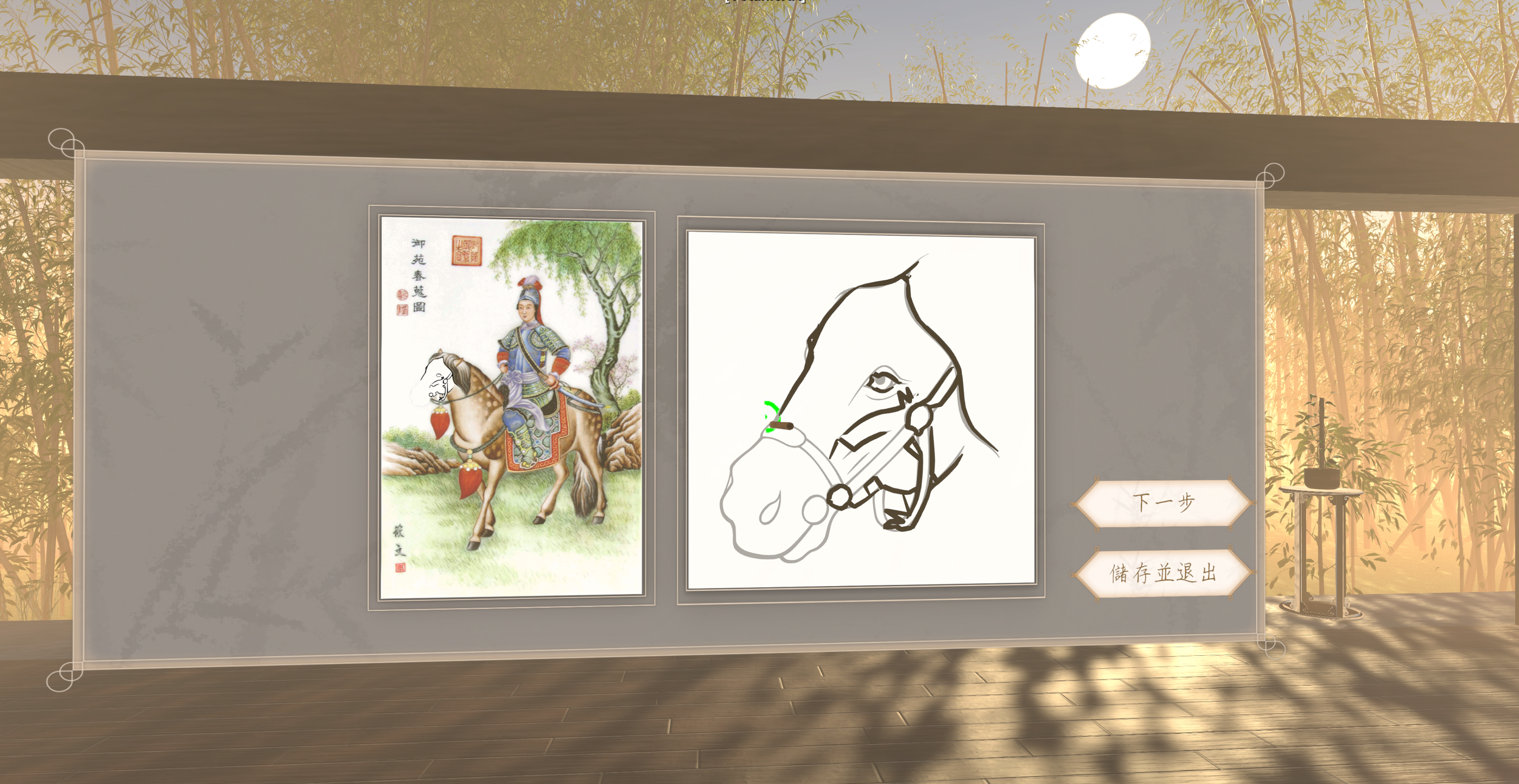
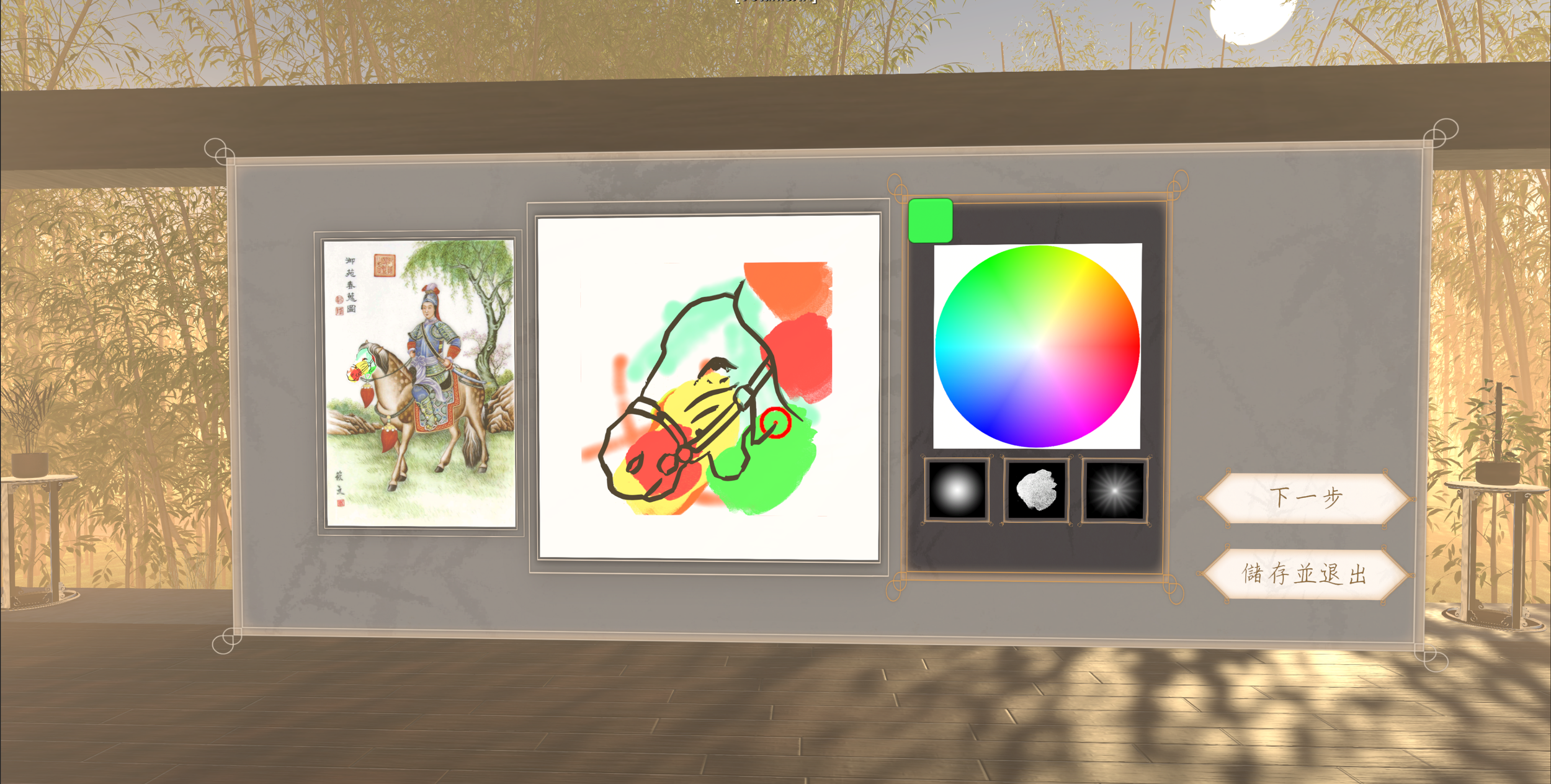
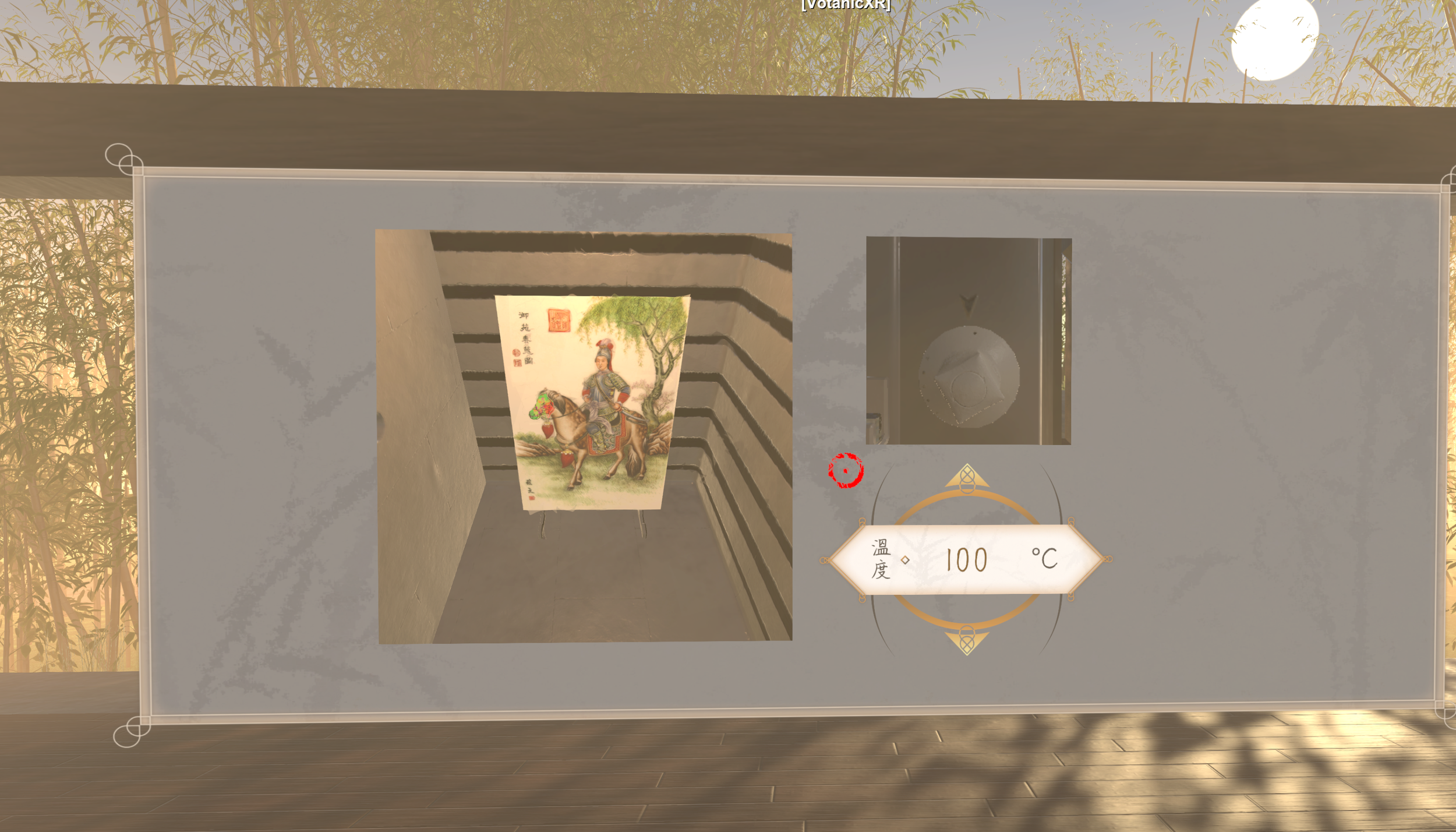
Future research and applications. For example:
Technical Enhancements:
Addressing current limitations, such as haptic feedback detection, color gradients and glazing effects replication, through system and project engine development.Expanded Heritage Coverage:
Applying the framework to other traditional Hong Kong handicrafts or heritage artifacts.Education Integration:
Developing framework for the Department to incorporate VR heritage experiences into arts and history demonstration and tour.Further Development:
Upscaling the project and exploring Art-Tech driven (e.g. AI) narrative method.